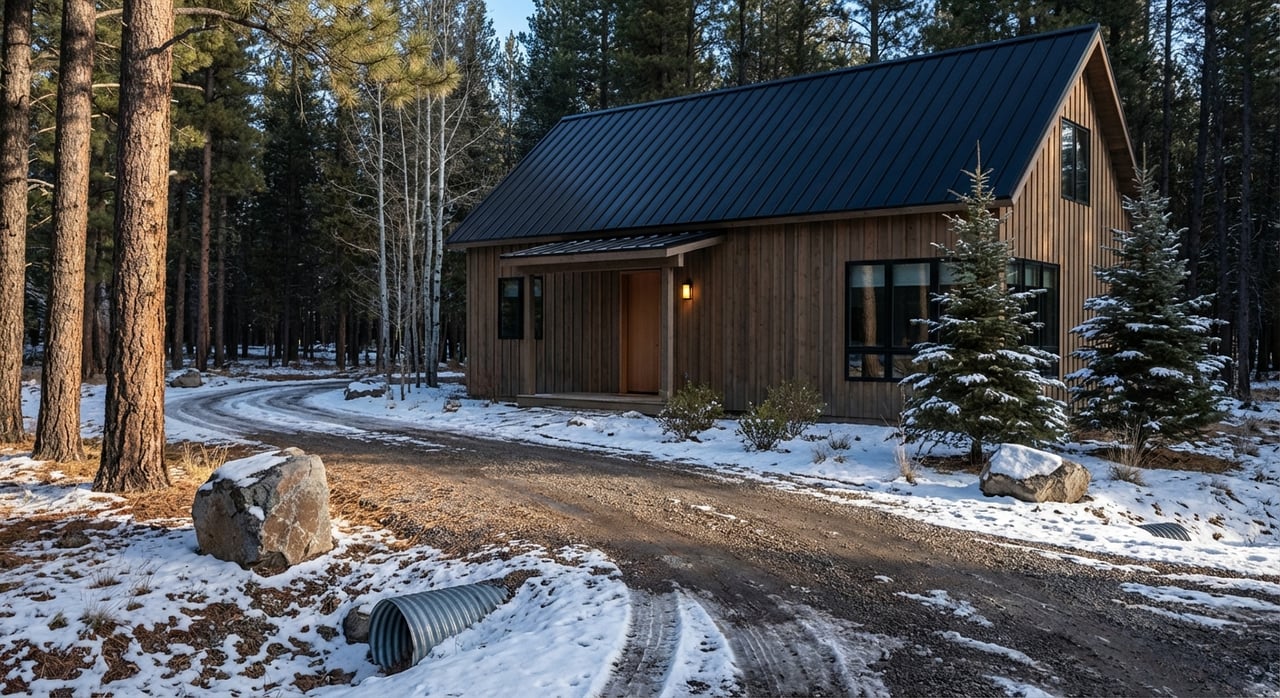
If you live along the Front Range and crave a quick mountain reset, a weekend cabin in Teller County can be the sweet spot. You get forested privacy, miles of trails, and a manageable drive from Colorado Springs or Denver. In this guide, you’ll learn the best areas to focus your search, what the road and utility realities look like, and how to line up a smooth purchase. Let’s dive in.
Why Teller County works
Teller County sits on the west slope of Pikes Peak with easy access to public lands and trail systems. You have service hubs like Woodland Park, Divide, and Florissant, plus the historic towns of Cripple Creek and Victor to the south. The setting blends convenience with forest and open meadow, backed by the Pike National Forest and nearby state and national park units that weekenders love. You can explore local hazard, emergency, and planning resources through the county’s public portal for added context as you narrow locations (Teller County OEM).
If you want quick turnarounds, Woodland Park is roughly a 25 to 35 minute drive to central Colorado Springs under normal conditions. That keeps Monday morning commutes realistic for part-time users and makes Friday arrivals painless when traffic cooperates (Woodland Park to Colorado Springs drive time).
Best areas for weekend cabins
Woodland Park and the US‑24 corridor
If simple, year‑round access is your top priority, start here. Within city limits you gain municipal services and quick access to groceries, medical care, and dining. On the edges of town, you’ll find older cabins and smaller lots that still feel tucked into the trees without giving up paved access.
Winter prep is straightforward when your route follows US‑24, which is a primary plow corridor. Still, confirm whether subdivision roads and private driveways are county maintained or owner maintained, and how snow plowing is handled in your specific neighborhood. That detail can make a big difference for Friday night arrivals in mid‑winter.
Divide and the Mueller State Park corridor
If you want forested privacy with a trail network right out your back door, focus on Divide and the surrounding corridor near Mueller State Park. The park spans 5,000 plus acres with more than 50 miles of trails through montane forest and meadows, and it is a year‑round draw for hiking, snowshoeing, and wildlife viewing (Mueller State Park overview). You can preview the trail network and seasonal notes before you visit (Mueller trail details).
Parcels here sit on a mix of paved county roads and maintained dirt roads. Many properties use wells and on‑site wastewater systems. Plan to verify water source, septic suitability, and utility availability during due diligence.
Florissant and County Road 1
Florissant offers a quieter valley setting, wider views, and close proximity to the Florissant Fossil Beds National Monument. The monument’s trail system gives you easy day hikes and a unique geologic landscape to explore on every visit (Florissant Fossil Beds hiking).
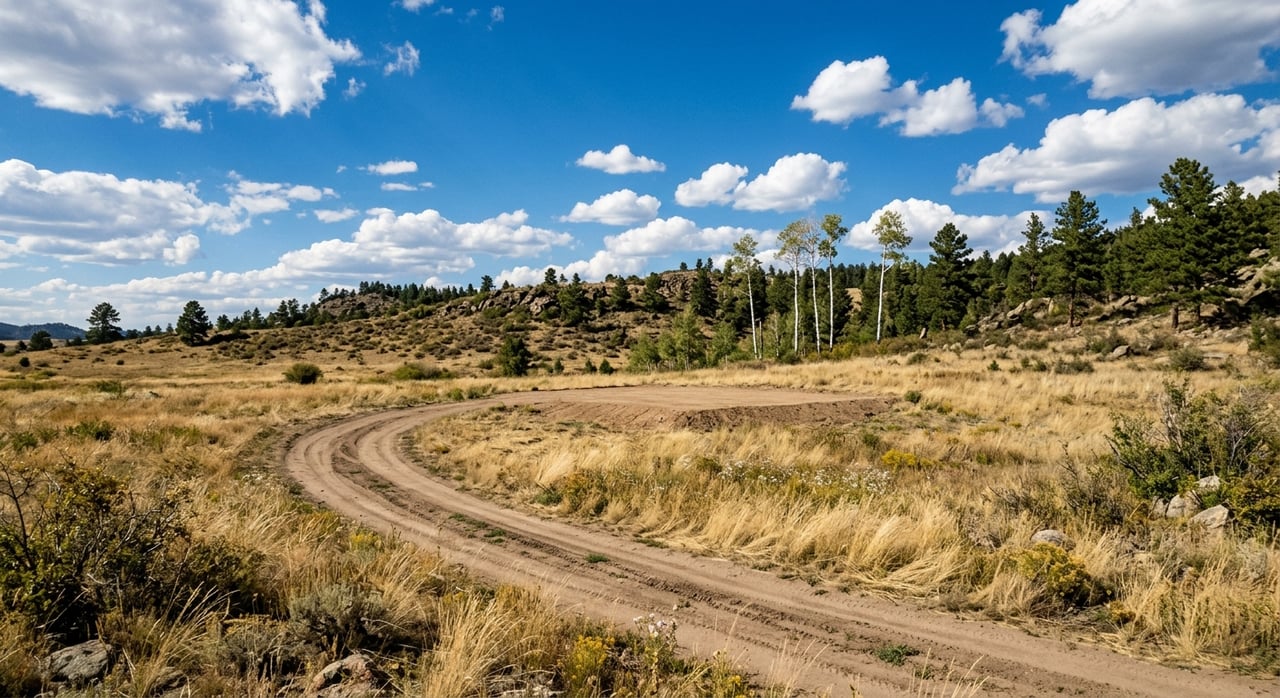
Expect a range of parcel sizes, from small platted lots to larger ranchettes. Infrastructure varies by property. West of US‑24, many driveways are longer and some roads are private, so factor in winter access and road maintenance responsibilities as you evaluate options.
Cripple Creek, Victor, and nearby subdivisions
If value is your priority, look south toward the Cripple Creek and Victor area. Historic in feel and set among dramatic terrain, the region includes purpose‑built subdivisions like Cripple Creek Mountain Estates with many small platted lots. You’ll trade a slightly longer drive and a mix of paved and unpaved roads for greater privacy and lower entry prices in many cases.
The Gold Belt Scenic Byway weaves through this landscape and is a major draw for weekend exploring. Segments such as Phantom Canyon and Shelf Road are unpaved and are often recommended for high‑clearance vehicles, especially when weather rolls in. Keep that in mind if your cabin time depends on quick arrivals in all seasons (Gold Belt Byway overview; City of Cripple Creek byway info).
Parcels near Pike National Forest
Parcels that adjoin or sit close to the Pike National Forest give you instant forested seclusion and easy access to dispersed trails and backcountry experiences. That privacy is a perk, but it comes with extra homework. If a driveway crosses federal land or if your private road touches forest boundaries, contact the Pikes Peak Ranger District to confirm any required permits or encroachment rules and to check for seasonal access considerations (Pikes Peak Ranger District resource).
Match your priorities to the right pocket
- Quick access and services: Woodland Park and the US‑24 corridor. Shortest Front Range drive plus municipal utilities and in‑town amenities (drive time context).
- Forested privacy and best trail network: Divide and the Mueller State Park corridor, with year‑round hiking and wildlife viewing (Mueller State Park overview).
- Best value for a forested lot: Cripple Creek, Victor, and nearby subdivisions, with a mix of paved and unpaved roads and a quieter setting along the Gold Belt routes (Gold Belt Byway overview).
- Quiet valley retreat with unique geology: Florissant and County Road 1 near the Florissant Fossil Beds (Florissant Fossil Beds hiking).
What to check before you buy
Water and wastewater
Inside some municipal limits, cabins may tie into city water and sewer. In most unincorporated areas, you will rely on a well and on‑site wastewater system. During due diligence, confirm well status, water rights where applicable, and septic feasibility with county Environmental Health and state well records.
Zoning, covenants, and use rules
Zoning and overlays vary across Teller County, and recorded covenants can be more restrictive than county rules. Pull plats, CCRs, and zoning maps early. If you are considering future outbuildings, exterior updates, or short‑term rentals, confirm what is permitted on your specific parcel before you write an offer.
Wildfire risk and mitigation
Wildfire is the primary local hazard. Run the parcel through the county’s wildfire information portal and Community Wildfire Protection Plan resources to understand local priorities and recommended mitigation. You can also view parcel‑level exposure using the Colorado Wildfire Risk Viewer (Teller County wildfire info; Colorado Wildfire Risk Viewer). Build a budget for defensible space and ignition‑resistant materials.
Roads and seasonal access
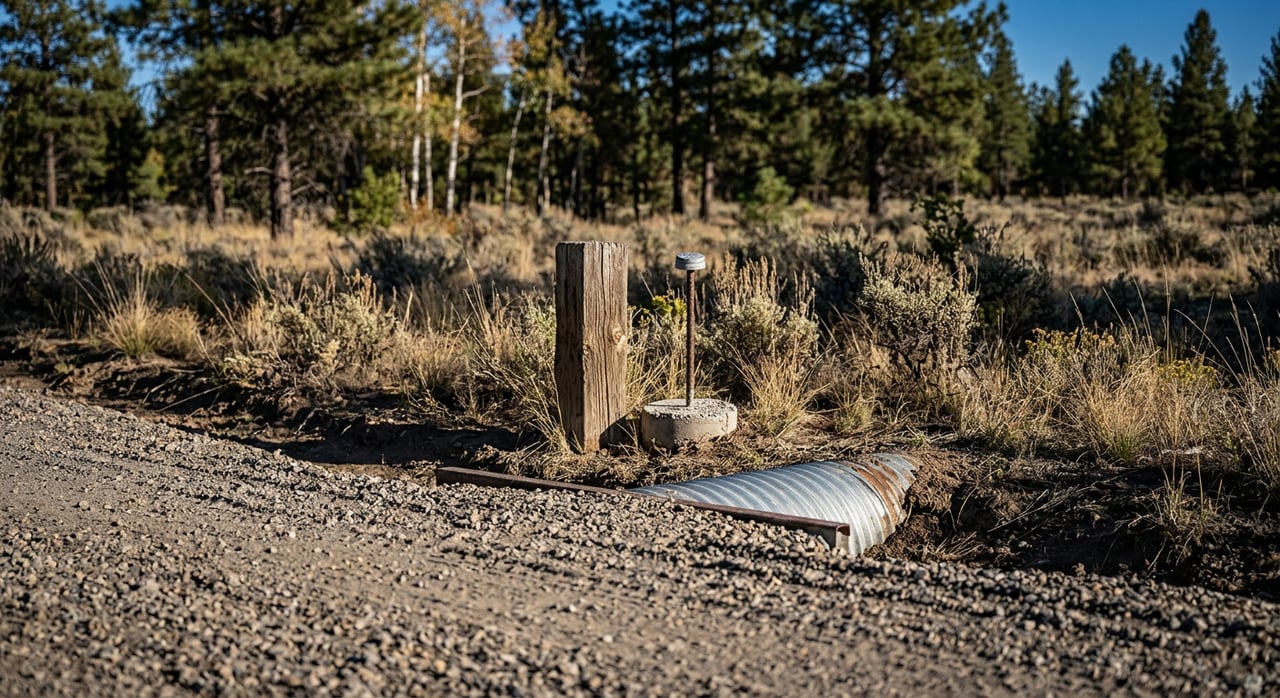
Distinguish properties with county‑maintained paved access from those on private or unpaved roads. Some segments of the Gold Belt Byway are unpaved and subject to weather impacts, which can delay arrivals or require high‑clearance vehicles in certain seasons (Gold Belt Byway overview). Ask who plows the road and driveway, and what owners pay for that service.
Building permits and timelines
If you plan to build or significantly remodel, county building permits and septic permits can add weeks to months. Create a checklist that includes your parcel number, zoning, recorded easements, well status, septic suitability, road access details, and utility availability. Order preliminary title work early if you are buying land.
Insurance and operating costs
Mountain cabins often carry higher insurance costs due to wildfire exposure and access constraints. Some remote properties use propane, generators, or alternative heating. Price these operating realities before you commit.
Short‑term rentals and local rules
Short‑term rental regulations vary by jurisdiction and HOA. Do not assume rentals are allowed. Check with the county and relevant municipalities for the current rules, and review any HOA documents for restrictions (Teller County OEM).
Quick weekend logistics
If your plan is a regular Friday‑to‑Sunday routine, look closely at the Woodland Park to Colorado Springs commute. Under normal conditions, the drive is roughly 25 to 35 minutes, which keeps Sunday evening returns and Monday mornings practical (drive time context). When snow or holiday traffic stacks up, expect longer times across the county. South near Cripple Creek and Victor, scenic byway routes can be unpaved, so build a weather margin into your travel plans (byway overview).
A simple due diligence checklist
Use this quick list to organize your cabin search and pre‑offer homework:
- Confirm who maintains and plows the access road and driveway, and how costs are shared.
- Verify water source and wastewater plan. If a well or septic is involved, line up feasibility checks with county Environmental Health.
- Run the address through the county wildfire resources and the Colorado Wildfire Risk Viewer. Plan for defensible space and any mitigation work (Teller County wildfire info; Risk Viewer).
- Read any HOA or CCR documents for use rules, camping and RV policies, and exterior guidelines.
- If a property borders or requires access across National Forest land, contact the Pikes Peak Ranger District to confirm any permits or encroachments (Pikes Peak Ranger District resource).
Ready to explore cabins in Teller County?
If you want a straightforward, field‑tested plan to find the right pocket, confirm access and utilities, and buy with confidence, connect with Danni Gunn. At Rocky Mountain RLA you get principal‑led guidance with deep rural experience and practical solutions for mountain property issues. Start with a quick conversation about your goals, timing, and budget, then use a focused search to tour the right spots and make a clean offer.
FAQs
What are the best Teller County towns for quick weekend access?
- Woodland Park and the US‑24 corridor are the easiest for Front Range turnarounds, with a roughly 25 to 35 minute drive to central Colorado Springs under normal conditions (drive time reference).
Where can I find the most trails near weekend cabins?
- The Divide area around Mueller State Park offers more than 50 miles of year‑round trails across 5,000 plus acres of forest and meadow, which is ideal for regular weekend use (Mueller State Park overview; trail details).
Is the Gold Belt Scenic Byway suitable for all vehicles year‑round?
- Several segments, such as Phantom Canyon and Shelf Road, are unpaved and often recommended for high‑clearance vehicles, especially with winter weather or heavy rain, so plan your route accordingly (byway overview; City of Cripple Creek info).
How do I check wildfire exposure for a specific Teller County cabin lot?
- Review the county’s wildfire information portal for local guidance and run the parcel through the Colorado Wildfire Risk Viewer to see parcel‑level exposure and recommended mitigation steps (Teller County wildfire info; Risk Viewer).
What if a driveway needs to cross National Forest land near Pikes Peak?
- Contact the Pikes Peak Ranger District to confirm any special‑use permits, encroachment considerations, or seasonal access notes before you finalize an offer (Pikes Peak Ranger District resource).
Are short‑term rentals allowed for Teller County cabins?
- Rules vary by jurisdiction and HOA, so verify with the county and relevant municipalities, and read any HOA documents before you assume rentals are allowed (Teller County OEM).
What makes Florissant appealing for a relaxed weekend base?
- The Florissant corridor offers a quieter valley feel with open views and easy access to the Florissant Fossil Beds trail system for low‑stress day hikes during any season (Florissant Fossil Beds hiking).