Dreaming about a cozy A-frame near Salida or a log cabin tucked above Buena Vista? Owning a cabin in Chaffee County can deliver big views, river time, and trailhead access, but it also brings mountain realities you will want to plan for. You deserve a clear picture before you buy so you can enjoy your place instead of troubleshooting it. In this guide, you will learn where cabins are found, what daily life looks like across seasons, how access and utilities work, and what to check before you write an offer. Let’s dive in.
Cabin locations in Chaffee County
Not all cabins sit on a remote ridge. In Chaffee County, you will find a range of settings that each shape your daily routine.
- In town: Salida, Buena Vista, and Poncha Springs offer smaller lots with municipal water, sewer, paved roads, and regular snow plowing. You get easy walks to shops and services, plus reliable year-round living.
- Near town: Short drives from the town centers, lots may be on a mix of paved and gravel roads. Some have municipal utilities, while others use private wells and septic.
- Rural or forest-service corridors: Higher elevations or deeper backroads often mean unpaved access and larger parcels. Utilities can be limited or off-grid.
- Creekside or river-adjacent: Properties along the Arkansas River or tributaries command a premium for fishing and boating access. They can also require attention to floodplain rules and riparian setbacks.
- Historic and updated cabins: Renovated mining-era cabins and classic log or A-frame homes provide authentic character, often with modern systems added over time.
Cabin styles and features
Most cabins here are modest in size, often under 1,200 square feet. You will see single-level footprints or lofted interiors that maximize space.
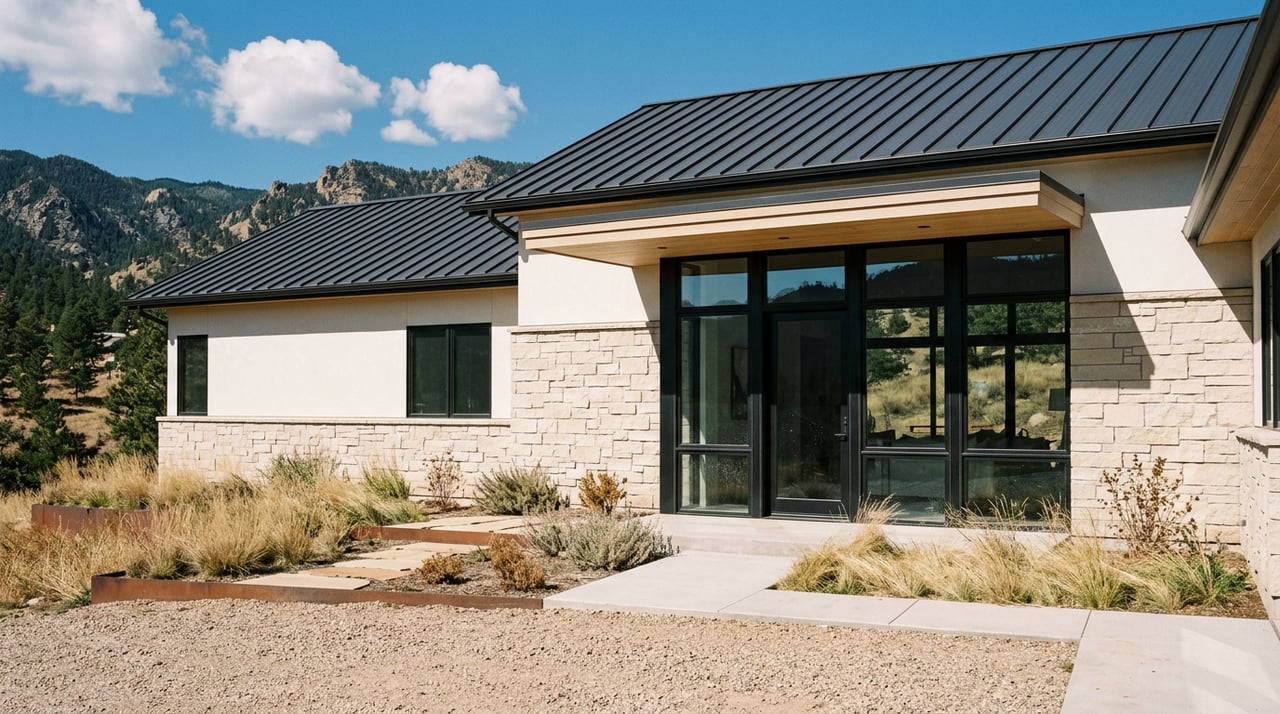
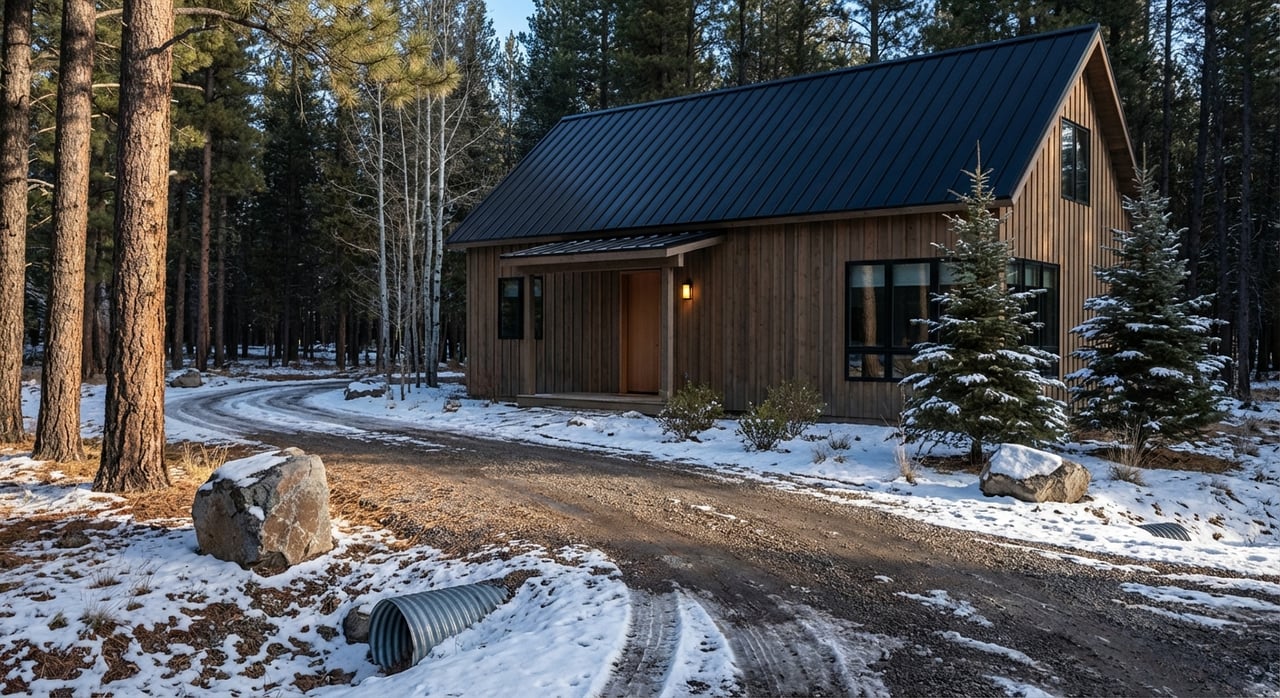
- Exterior materials: Log or wood siding and metal roofs are common to shed snow and weather storms well.
- Additions: Many started as seasonal structures and were finished for year-round use, so you may find varied construction dates and materials.
- Outbuildings: Detached garages, storage sheds for snow and ATV gear, and bunkhouses are popular on recreation-focused parcels.
Market expectations and pace
Cabin pricing tends to sort into broad tiers. Entry-level or seasonal cabins in outlying areas are often the most affordable path into the market. Modestly finished 2 to 3 bedroom homes in Salida and Buena Vista sit in a mid-tier that emphasizes convenience. Larger acreage, custom builds, or turn-key luxury sit at the top and attract buyers seeking privacy and views.
Inventory in scenic mountain counties is limited, and desirable cabins move quickly, especially near trailheads, river access, or with easy winter access. Cash buyers and flexible closing dates can be an advantage in competitive situations.
Access and road realities
Year-round access matters more than it might seem on a sunny summer day. Main highways and town streets are maintained and plowed consistently. County roads are also maintained, though plowing frequency and priority can vary. Lower priority roads may be slower to clear after storms.
Many rural parcels are reached via unpaved Forest Service or private roads that can be gated or seasonal. These roads are typically not plowed in winter. A 4WD or AWD vehicle with good clearance is often advised for higher elevation or backroad properties. Always confirm road maintenance responsibility and winter accessibility for any property you tour.
Utilities and everyday services
Utility setups differ based on location, and that affects comfort, costs, and maintenance.
- Water and sewer: Salida and Buena Vista provide municipal services in town. Outside those areas, most properties rely on a private well and a septic system. Review well permits, water testing, pump age, and septic inspection records.
- Electric and heat: Grid power serves most populated corridors, but some rural cabins have older or limited service. Propane, wood stoves, and pellet stoves are common heat sources. Backup generators are typical for remote sites.
- Internet and cell: Town centers offer stronger service. Outlying areas may use DSL or cable near towns, fixed wireless, or satellite options, including newer services like Starlink. Always verify your carrier’s coverage at the property.
- Trash and mail: In town, you can expect curbside service. Rural owners may haul to transfer stations or use a commercial hauler, and some areas rely on centralized mail delivery.
Seasonal use and snow planning
Summer through early fall is peak cabin season for rafting, mountain biking, hiking, and fishing. In winter, in-town cabins remain comfortable for year-round living. Remote cabins can be harder to reach when snow piles up, unless you plan for snow-capable vehicles and arrange snow removal.
Snow management is a routine part of ownership. Steep metal roofs help shed snow. Owners often plan for roof raking, driveway clearing, and a dependable backup heat source. Set realistic expectations if you want to visit every weekend in winter.
Insurance and hazard awareness
Wildfire planning is part of mountain living. Chaffee County and state agencies encourage defensible space and home hardening. Documenting mitigation work, such as fuel reduction and ember-resistant vents, can influence insurance availability and cost.
River-adjacent parcels should be reviewed for floodplain considerations. FEMA maps and local guidelines can help you decide if flood insurance is wise. In steep alpine terrain, avalanche or rockfall may be relevant. Confirm parcel-specific hazards before you commit.
Outdoor access and travel times
Chaffee County is popular for the Arkansas River corridor with renowned rafting and gold-medal trout fishing. You also have Browns Canyon National Monument, the Collegiate Peaks Wilderness with 14ers like Mount Harvard and Mount Yale, and Monarch Mountain for skiing. Hot springs, historic towns like St. Elmo, and abundant trailheads round out the lifestyle.
Typical drive times are helpful as you plan visits and guest stays:
- Salida to Buena Vista: about 15 to 20 minutes
- Salida to Monarch Mountain: about 25 to 40 minutes
- Salida or Buena Vista to Denver: roughly 3 to 4 hours
- Salida or Buena Vista to Colorado Springs: roughly 2.5 to 3 hours
Weather can change these ranges. Winter storms and mountain pass conditions can add time.
Financing, appraisal, and inspections
If you plan to finance, lenders often want proof that a property is suited for year-round occupancy. Insulation, permanent heat, and conventional systems help. Some lenders are cautious with off-grid properties or nonstandard utilities.
Appraisals can be challenging in rural areas where comparable sales are limited. Expect careful adjustments for lot size, access, and amenities. During inspections, pay close attention to frost-heave issues, roof condition and snow load suitability, septic and well performance, electrical service, and water pressure and quality. Older cabins can have deferred maintenance.
Title review matters too. Confirm easements, historic mining claims, access rights, and any road maintenance agreements. Know the zoning and permitted uses as well.
Short-term rental rules
Short-term rental licensing and rules exist in many Colorado mountain communities and can change. Before you count on STR income, verify current requirements for Salida, Buena Vista, and unincorporated Chaffee County. Rules vary by municipality and county.
Buyer checklist before you buy
Use this quick list during due diligence:
- Road maintenance and winter plowing responsibility, including any written agreements
- Current well report, water rights if relevant, pump details, and recent testing
- Septic inspection, age, capacity, and maintenance records
- Electrical panel size and capacity, backup heat, and generator setup
- Roof condition, snow load rating, insulation level, and signs of wood rot or pests
- Insurance availability, wildfire risk, and any mitigation documentation
- Title items: easements, mining claims, access rights, covenants, HOAs if present
- Zoning and permitted uses, including STR rules and accessory structures
Is a Chaffee cabin right for you?
Think about your priorities. If you want year-round convenience and easy winter access, being in or near Salida, Buena Vista, or Poncha Springs can be a strong fit. If you want solitude and acreage, rural or forest-service corridors may deliver the privacy you want with more planning for access and utilities.
There is no single right answer. Align your expectations with the property’s location, systems, and seasonal realities. That is how you protect your time, budget, and enjoyment.
If you are weighing your options in Chaffee County or neighboring mountain towns, connect with Danni Gunn for a practical plan grounded in valuation and real mountain property experience.
FAQs
Can you live year-round in a Chaffee County cabin?
- Yes, if the property has reliable winter access, insulation, permanent heat, and dependable utilities. Confirm plowing and road status before you buy.
How is internet and cell service for rural cabins in Chaffee County?
- Service is strong in town and variable in outlying areas. Options may include DSL or cable near towns, fixed wireless, or satellite solutions like Starlink.
What vehicle do you need for winter access to remote cabins?
- A 4WD or AWD vehicle with good clearance is often advised for higher elevation or backroad properties, since many unpaved roads are not plowed.
What should you check with wells and septic on cabin properties?
- Review well permits, water test results, pump age and depth, and septic inspection and maintenance records to confirm safe, consistent service.
Are short-term rentals allowed in Salida, Buena Vista, and unincorporated Chaffee County?
- Many places require licenses or have specific rules. Verify current regulations for each jurisdiction before planning rental income.
What insurance issues should cabin owners consider in Chaffee County?
- Wildfire risk and floodplain status can affect coverage and cost. Defensible space and home hardening can help with underwriting and premiums.