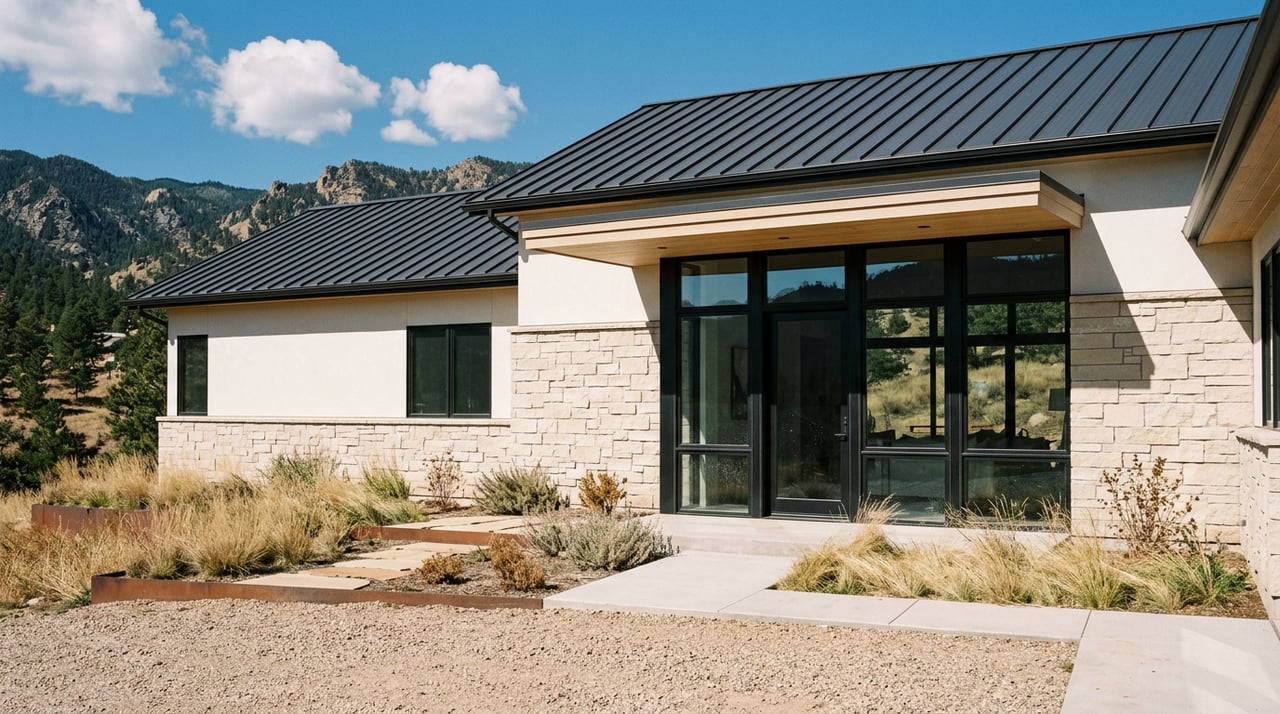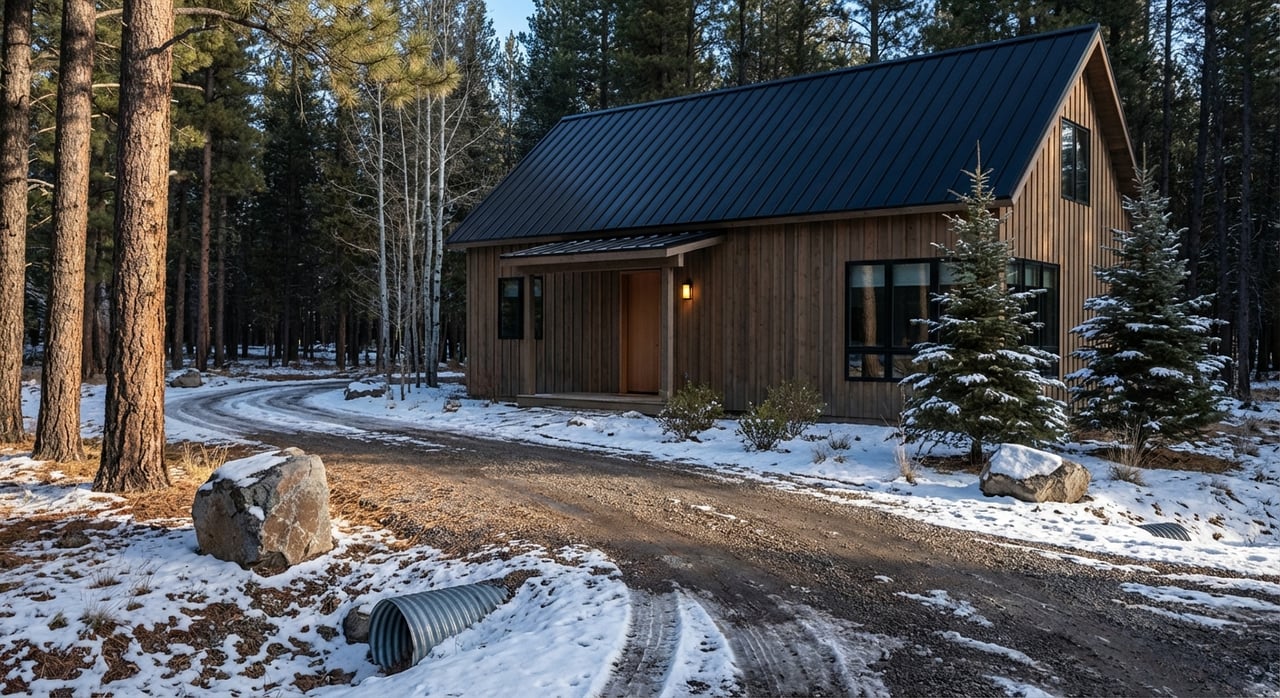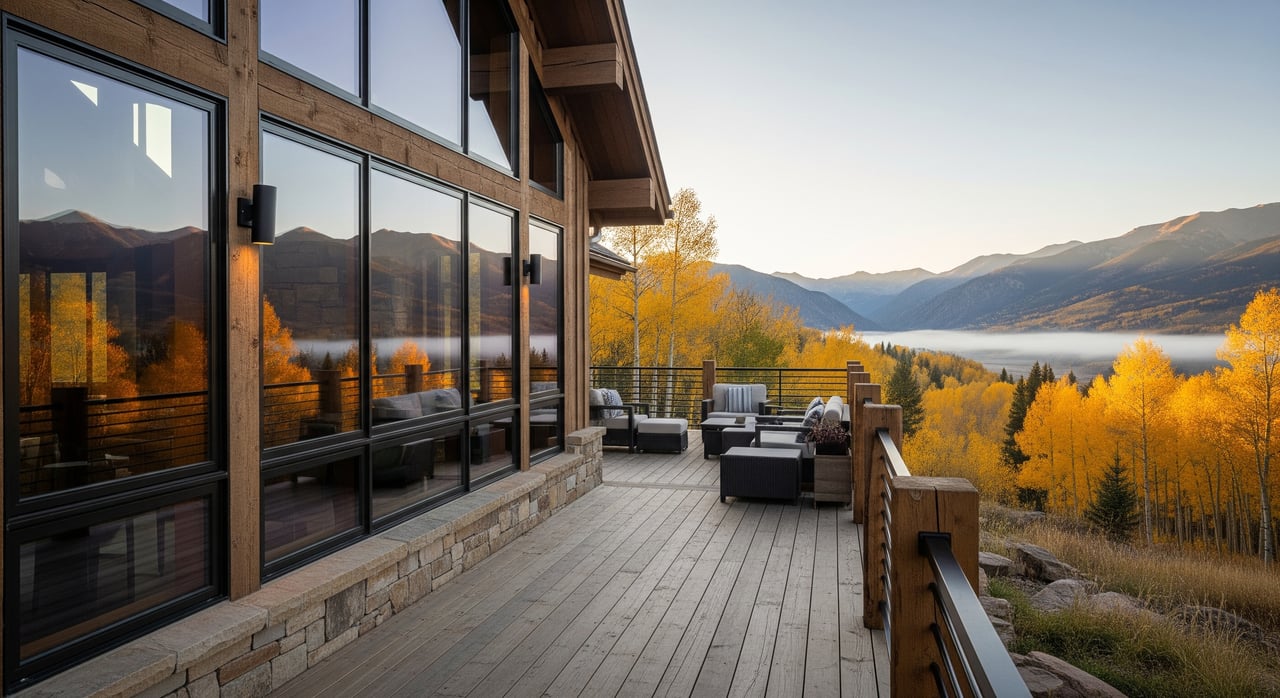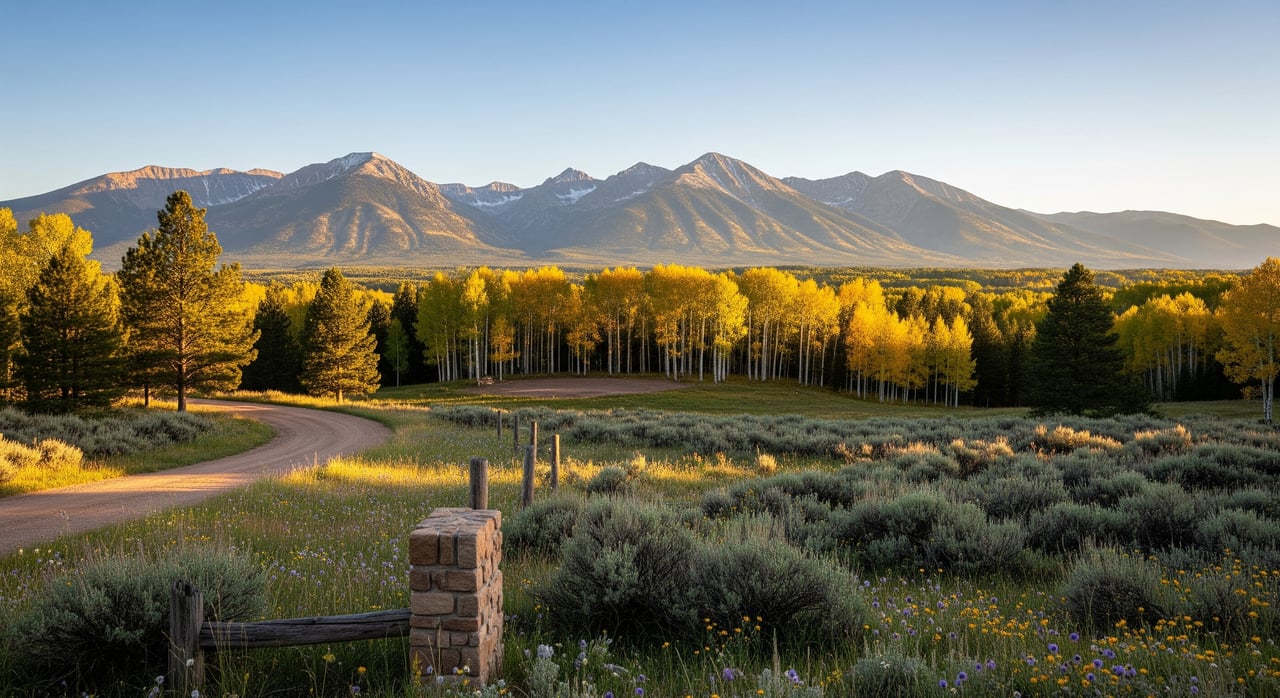
Dreaming of a cabin site near Salida or a quiet acreage with mountain views? Buying land in Chaffee County is exciting, but it is not the same as buying a house. Parcels vary a lot in access, utilities, and buildability, so a clear plan makes all the difference. In this guide, you will learn the local steps, checks, and contacts that help you buy with confidence. Let’s dive in.
Why Chaffee County land stands out
Chaffee County sits in the heart of Colorado’s high country, with the Arkansas River, valley towns like Salida, and big public-land backdrops. Many parcels border or sit near U.S. Forest Service and BLM land, which is a draw for recreation and privacy. That mix means every lot is different on terrain, road access, and utility options.
Land use rules depend on where the parcel sits. Unincorporated areas follow the county’s Land Use Code and permits from departments like Planning, Building, Public Health, and Road & Bridge. Parcels inside city or town limits follow municipal rules, such as the City of Salida planning. Start by confirming your parcel’s jurisdiction with Chaffee County Planning and Building.
The step-by-step path to buying land
1) Define your use and budget
Know your goal first. Are you planning a full-time home, a vacation cabin, a small ranch, or purely recreational use? Your intended use drives zoning, minimum lot size, well and septic needs, and permit steps.
Set a realistic budget that includes site work. Add estimates for driveway, grading, septic, well, and possible utility extensions. Build a cushion for mountain variables like rock excavation or wildfire mitigation.
2) Build your local team
Work with a land-experienced agent, a title company, and a surveyor. Add septic and well pros, and consult county or town planners for zoning questions. This team helps you spot red flags early and keep deadlines on track.
If you plan to finance, contact lenders that understand Colorado mountain land. Standards for raw land loans are tighter than home loans, so start those conversations early.
3) Search and screen smarter
Use the county’s GIS and assessor data to confirm parcel boundaries, legal description, and tax status. Cross-check listing details against maps and aerials to verify access and slope. If a lot is inside a town boundary, check that town’s planning page for zoning and services.
Quick red flags to avoid: no legal access, very steep or unstable slopes, floodplain issues, recorded conservation easements that limit building, or no feasible well and septic path. Eliminating problem parcels early saves time and money.
4) Write a strong land offer
Include clear contingencies and timelines for title review, survey, access verification, septic feasibility, well permits or water rights, zoning confirmation, environmental checks, and financing. Align earnest money and deadlines with local norms for raw land. A clean, organized offer tells the seller you are serious.
5) Work your due diligence checklist
During your 30 to 60 day investigation period, verify the details that make a parcel buildable and financeable.
- Title and easements: Order a title commitment and confirm any access easements, covenants, mineral reservations, or deed restrictions. Title insurance protects against many past defects, but read exceptions closely.
- Survey: Commission a current boundary or ALTA/NSPS survey to confirm corners, encroachments, and recorded easements. For standards and what is shown on an ALTA survey, see the ALTA survey basics.
- Legal access: Confirm frontage on a public road or a recorded private easement. Ask the county Road & Bridge department whether roads are county maintained or private, and whether there is winter plowing.
- Water and wells: Check for an existing permitted well and usage limits. If you need to drill, verify permitting and water availability with the Colorado Division of Water Resources, and talk with local well drillers about depth and yield expectations.
- Septic feasibility: Most rural parcels will require an onsite wastewater system. Contact Chaffee County Public Health for site evaluation and permitting steps, and review the state’s onsite wastewater guidance at the Colorado Department of Public Health & Environment.
- Utilities and off-grid: Confirm proximity and cost to bring in power, gas, and internet. If none are nearby, assess solar plus battery, propane, and generator options and their maintenance needs.
- Zoning and use: Verify allowed uses, density, and setbacks with county or town planners. If you plan a short-term rental, confirm current licensing or permit rules in the jurisdiction.
- Environmental and hazards: Check flood zones through FEMA’s Flood Map Service Center. Review wildfire risk and mitigation steps with the Colorado State Forest Service. Walk the site for wetlands, drainages, and steep slopes that can limit buildable area.
- Roads and maintenance: Clarify whether an HOA or private agreement maintains roads and the costs involved. Understand snow removal, seasonal access, and turnaround space for emergency vehicles.
Request contractor estimates for driveway, excavation, septic, well, utility trenching, and erosion control. These costs affect value and your timeline to build.
6) Closing and what comes next
Once contingencies are satisfied, your title company will schedule closing. After closing, record the deed with the Chaffee County Clerk & Recorder. If you plan to build, apply for building, septic, and well permits and schedule inspections as required by the county or the town.
Financing and valuation basics for vacant land
Cash is the simplest, but many buyers use land loans or a land-to-construction pathway. Land loans usually require larger down payments and shorter terms than home mortgages. Lender comfort improves with legal access, gentle topography, and nearby utilities. For a broad overview of land-buying considerations, review the National Association of Realtors’ resources at nar.realtor.
Valuing land is different from valuing homes. Appraisers weigh comparable sales of similar parcels, but each lot’s features can drive big adjustments. Factors that add value include legal access, proximity to town services, usable building sites, views, and reliable road maintenance. Costs that reduce value include long utility runs, steep slopes, wetlands, or uncertain water.
Do not forget ongoing costs. Check with the Chaffee County Assessor for current assessments and mill levies. Some parcels sit in special districts that assess additional taxes or fees for water, sewer, or fire services.
Tools and local contacts that help
- Chaffee County Planning and Building for zoning, permits, and code questions.
- City of Salida planning for parcels inside city limits.
- FEMA’s Flood Map Service Center for floodplain status.
- Colorado Division of Water Resources for well permits and records.
- Colorado Department of Public Health & Environment for onsite wastewater guidance.
- Colorado State Forest Service for wildfire mitigation information.
- U.S. Forest Service and Bureau of Land Management maps to see nearby public lands.
- ALTA for survey standards and title basics.
Quick buyer checklist and timeline
- Pre-offer: define use and budget, talk to lenders, review county GIS and zoning, request any existing survey or tests from the seller.
- Contract period: title review 10 to 14 days, order survey 2 to 6 weeks, septic evaluation 2 to 4 weeks, well records and driller estimates 2 to 4 weeks, utility cost checks 2 to 4 weeks, FEMA and wildfire checks 1 to 2 weeks.
- Closing: clear contingencies, finalize financing, sign and record deed.
- Post-closing: apply for building, septic, and well permits. Schedule site work and utility installs.
Ready to walk the land?
If you want a clear plan from first showing to closing, work with a local land specialist who understands access, surveys, water, septic, and valuation. For principal-led guidance and appraisal-driven strategy on Chaffee County parcels, reach out to Danni Gunn for a no-pressure consultation.
FAQs
How do I confirm legal access to a Chaffee County parcel?
- Review the title commitment and survey for a public right of way or a recorded private easement, and verify who maintains the road in winter.
What is the process to drill a well in Chaffee County?
- Check for an existing permitted well first; if none, consult the Colorado Division of Water Resources for permitting, then get local driller input on depth, yield, and timelines.
How do I know if a lot will approve for septic?
- Contact Chaffee County Public Health for site evaluation requirements and schedule a soils or perc test to confirm an onsite wastewater system is feasible.
How can I evaluate wildfire risk before I buy?
- Review state wildfire guidance, discuss mitigation steps like defensible space, and factor insurance availability and costs into your budget.
How long does it take to close on land in Chaffee County?
- Most buyers need 30 to 60 days to complete surveys, septic and well checks, utilities research, and financing, then proceed to a standard closing.