Buying land in Teller County can feel simple at first. You find a beautiful parcel, picture the cabin or getaway you want, and start doing the math. But in rural property, the biggest questions usually come after the listing catches your eye: can you legally access it, can you build on it, and what will it really take to make the land usable? That is exactly why working with a rural specialist matters. You need someone who can help you spot the issues early, ask the right questions, and keep you from confusing a pretty parcel with a practical purchase. Let’s dive in.
Rural land is not plug-and-play
In Teller County, buying vacant land is rarely just about price per acre. The county is zoned, with Planning and Zoning handling land use regulations and the Building Division issuing permits and inspections in unincorporated areas. That means your purchase may depend on several separate approvals, not just a signed contract.
The county is also clear about an important point: a parcel’s legal pre-existence does not guarantee a water well, septic system, building permit, or other required permit. That single fact changes how you should evaluate land. A rural specialist helps you treat due diligence as part of the purchase decision, not as an afterthought.
Access comes first in Teller County
One of the biggest land-buying mistakes is assuming that because you can physically reach a parcel, you have legal access to it. In Teller County, that distinction matters. The county will not process road names or property addresses without proof of legal access, including access through a private easement or from agencies like BLM, USFS, or CDOT when applicable.
If another agency requires its own access permit, that permit must be included with the county driveway or access permit request. That can affect timing and feasibility. A rural-focused broker knows to look for those access layers before your contingency deadlines get too close.
Why driveway access matters
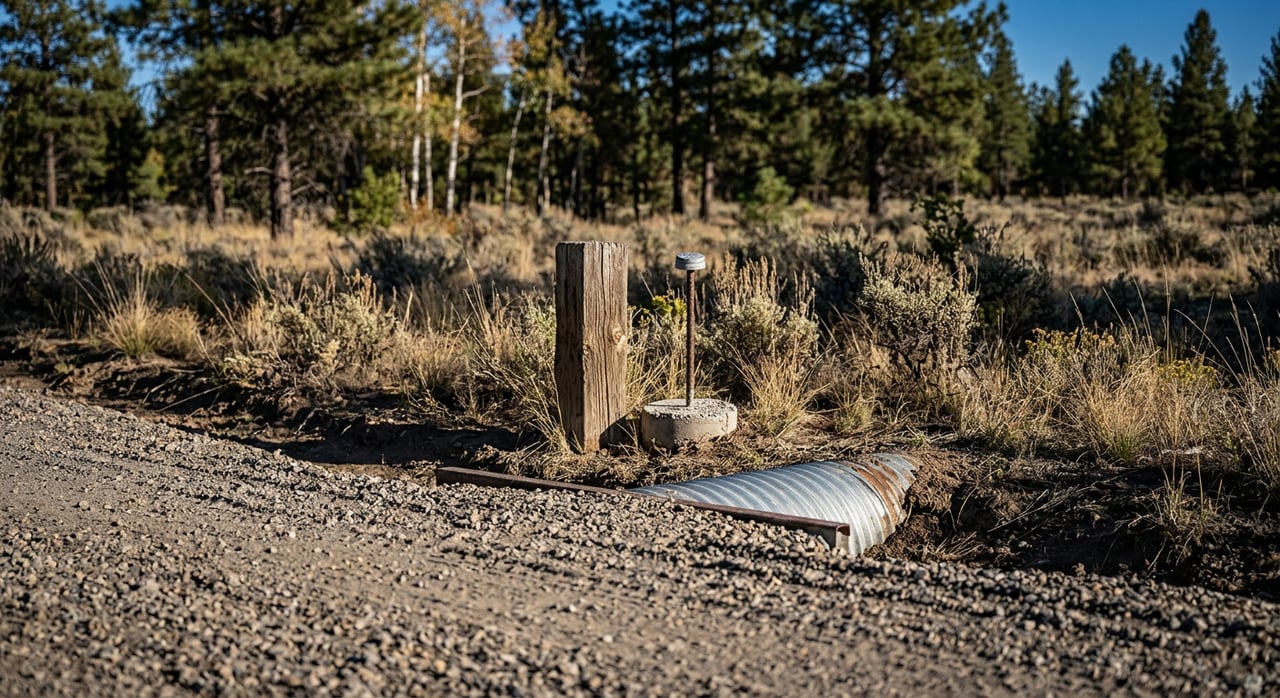
In Teller County, a driveway access permit is required before a building permit can be issued. The application calls for owner information, parcel details, directions, a site drawing, a licensed excavator, and a flagged location. The county notes that processing can take at least five working days.
That might sound straightforward, but it can create delays if the parcel is not well marked, if legal access is unclear, or if the work needed is more involved than expected. A rural specialist helps you understand whether the road and driveway path are realistic, not just theoretical.
Not all roads are equal
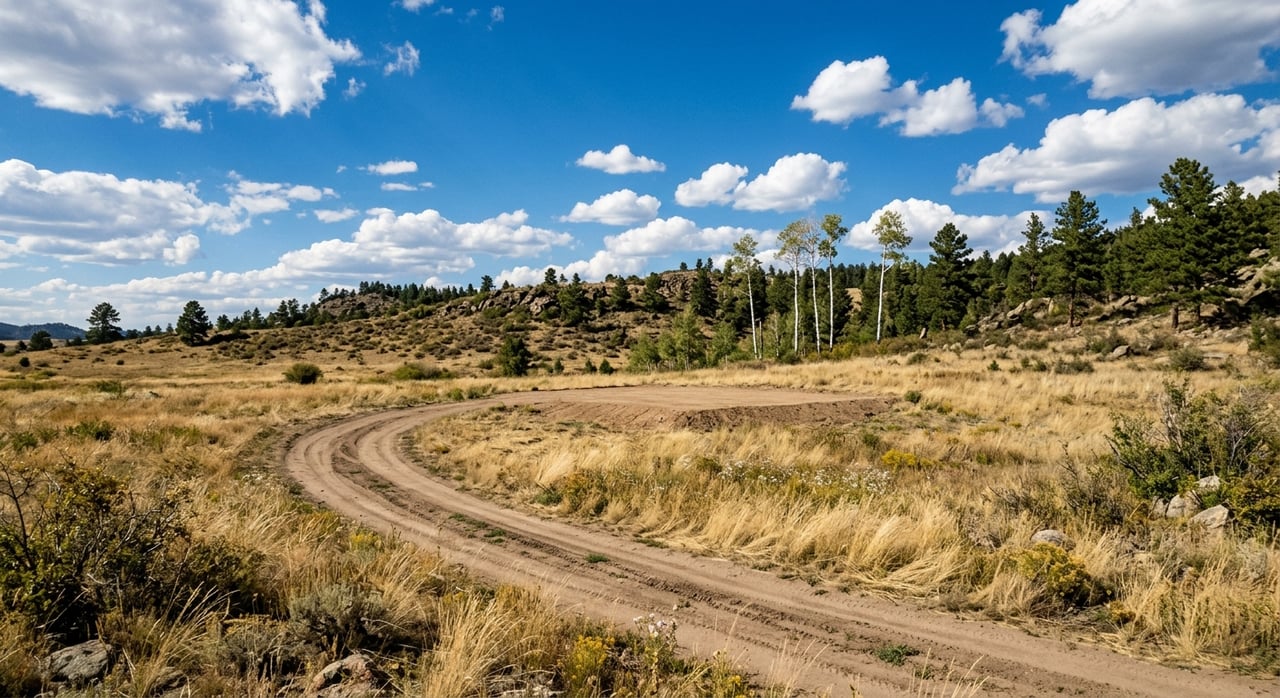
Teller County’s road system includes about 560 miles of roadway, with 484 miles of gravel roads, mostly in subdivisions. Some roads were platted or dedicated but were never built to county standards. In those cases, the county may provide only emergency access and maintenance until the road is upgraded.
That matters because a road shown on a map may not function the way you expect year-round. If a road is not maintained by the county, there must be a proper and enforceable road maintenance plan. A rural specialist is more likely to catch whether the parcel depends on a private road agreement or a road with limited county support.
Water and septic are separate hurdles
Many land buyers assume water and wastewater are one combined step. In Teller County, they are separate approvals with separate agencies and standards. That means you need to verify each one on its own.
The Colorado Division of Water Resources says every new well in the state that diverts groundwater must have a well permit. It also says it cannot guarantee a permit for a specific parcel until a full evaluation is completed. So even if a parcel looks buildable, you should never assume a well permit is automatic.
Well approval is not automatic
Teller County land-use regulations allow individual wells in some situations. But if a central water system is not accessible or adequate, the county may require either a central system or evidence satisfactory to the State Engineer that a legal and adequate water supply will be available.
The county also states that water quality must meet CDPHE standards and that lot size must be adequate. In some new subdivision situations without central water and sewer, the minimum lot size is 10 acres unless the zone district says otherwise. A rural specialist helps you connect these pieces before you commit to land based on assumptions.
Septic review is its own process
Teller County Environmental Health handles OWTS and septic permits, inspections, and soil analysis. For many buyers, this becomes one of the most important parts of due diligence because soils, layout, slope, and site conditions can all affect what is possible.
The county’s septic information also notes that transfer-of-title inspections for OWTS are not required. That is helpful context for buyers, but it does not reduce the need to understand whether a future system can be permitted on vacant land. A rural specialist knows septic questions belong near the top of the checklist, not near the end.
Utility easements can shape your plans
Access is not the only legal path that matters. Teller County’s land-use code also requires adequate easements for utilities. The code specifies utility easement widths, including 10-foot easements for water and sewer lines outside rights-of-way and 15-foot electric easements on road frontages and subdivision boundaries for residential lots.
If those easements are missing, too narrow, or not practical for installation and maintenance, your project could become more complicated than the listing suggests. This is the kind of detail that often gets missed by buyers who are new to rural land. A specialist is trained to look at the fine print behind the view.
Wildfire risk should affect your decision
In Teller County, wildfire is not a side issue. It is part of owning and using land in the mountains. The county Office of Emergency Management works to mitigate, prepare for, respond to, and recover from hazards, and the sheriff serves as the fire warden.
The county also enforces fire bans to help prevent wildfires that threaten life and property. Its Wildland Fire Council focuses on reducing wildfire severity and frequency. For a buyer, that means wildfire awareness should be built into the purchase decision from the start.
Fire conditions can change how you use land
Teller County’s fire information explains Orange Flag and Red Flag warnings and says burning is not recommended during either warning. It also says larger outdoor fires require an open-burning permit. If your vision for the property includes seasonal camping, outdoor fires, or future building, those rules matter.
The county’s Community Wildfire Protection Plan update also addresses wildfire risk, community preparedness, homeowner mitigation, wildfire awareness, and post-fire considerations. A rural specialist can help you think beyond the lot lines and consider how fire conditions may affect access, insurance conversations, and day-to-day use.
Wildlife is part of mountain ownership
A Teller County land purchase can also come with frequent wildlife activity. Colorado Parks and Wildlife says people may encounter wildlife in backyards and on undeveloped parcels. That can be part of the appeal, but it also comes with responsibilities.
CPW recommends securing trash, removing attractants, and keeping bird feeders away from bears. It also states that leaving trash cans or bird feeders accessible to bears violates state law and some local ordinances. A rural specialist helps you view wildlife as a real ownership factor, not just a scenic bonus.
What a rural specialist actually does
A good rural specialist does more than open a gate and show you acreage. In Teller County, approvals and questions are often split across Planning and Zoning, Building, Transportation, Environmental Health, and the Division of Water Resources. That makes timing and sequencing a big part of a smart purchase.
A rural-focused broker can help you identify the order of operations early. That may include confirming legal access, understanding driveway permit requirements, reviewing road maintenance issues, looking into well and septic feasibility, and thinking through wildfire exposure before contingencies expire.
The goal is fewer surprises
The right parcel can still be the wrong purchase if the basics are not verified early. That is especially true in a county where legal pre-existence does not guarantee key approvals. Rural land often rewards patience and careful review.
This is where Rocky Mountain RLA’s practical, field-tested approach stands out. Danni Gunn’s owner-led service is built around the kind of real-world problem solving rural buyers need, especially when access, utilities, title questions, and off-grid considerations can shape whether a deal makes sense at all.
What you should verify before you buy
Before you move forward on Teller County land, make sure you are asking clear, specific questions. A strong due diligence process should focus on the parcel’s real usability, not just its appearance online.
Here is a practical starting checklist:
- Confirm legal access to the parcel
- Ask whether any outside agency access permit is required
- Review whether the road is county maintained, privately maintained, or emergency-access-only
- Ask about driveway access permit requirements
- Check whether utility easements are adequate for installation and maintenance
- Investigate likely well-permit path with the proper agencies
- Review septic and soil-analysis requirements with Teller County Environmental Health
- Consider wildfire exposure, fire restrictions, and mitigation responsibilities
- Plan for wildlife-related ownership responsibilities
Why this matters for your budget
When rural land issues show up late, they often affect cost as much as convenience. Driveway work, private road obligations, utility installation challenges, septic design limits, and water uncertainty can all change the true cost of ownership. A parcel that looked affordable at first can become expensive once the missing pieces come into focus.
That is why specialist guidance matters so much in Teller County. You are not just buying dirt. You are buying access, options, and the practical ability to use the land the way you intend.
If you are looking at land in Teller County and want a practical read on access, utility questions, and overall fit, reach out to Danni Gunn. You will get straightforward guidance shaped by real rural-property experience, so you can move forward with more clarity and fewer surprises.
FAQs
Why does a rural specialist matter for Teller County land buyers?
- A rural specialist helps you verify legal access, road conditions, well and septic feasibility, utility easements, and wildfire considerations before you commit to a parcel.
What should Teller County land buyers know about legal access?
- Teller County requires proof of legal access for road names and property addresses, and some parcels may also need access permits from outside agencies before county permits move forward.
Can a legal Teller County parcel automatically get a building permit?
- No. Teller County states that legal pre-existence of a parcel does not guarantee a water well, septic system, building permit, or other required permit.
What should Teller County land buyers know about wells and septic?
- Well permits are reviewed separately through the Colorado Division of Water Resources, while Teller County Environmental Health handles OWTS and septic permits, inspections, and soil analysis.
How do roads affect a Teller County land purchase?
- Some roads may be gravel, privately maintained, or limited to emergency access and maintenance until upgraded, so road status can directly affect usability and ownership responsibilities.
Why should Teller County land buyers think about wildfire and wildlife?
- Wildfire conditions, fire restrictions, and wildlife responsibilities are part of day-to-day ownership in mountain areas and can affect how you use, maintain, and plan for the property.