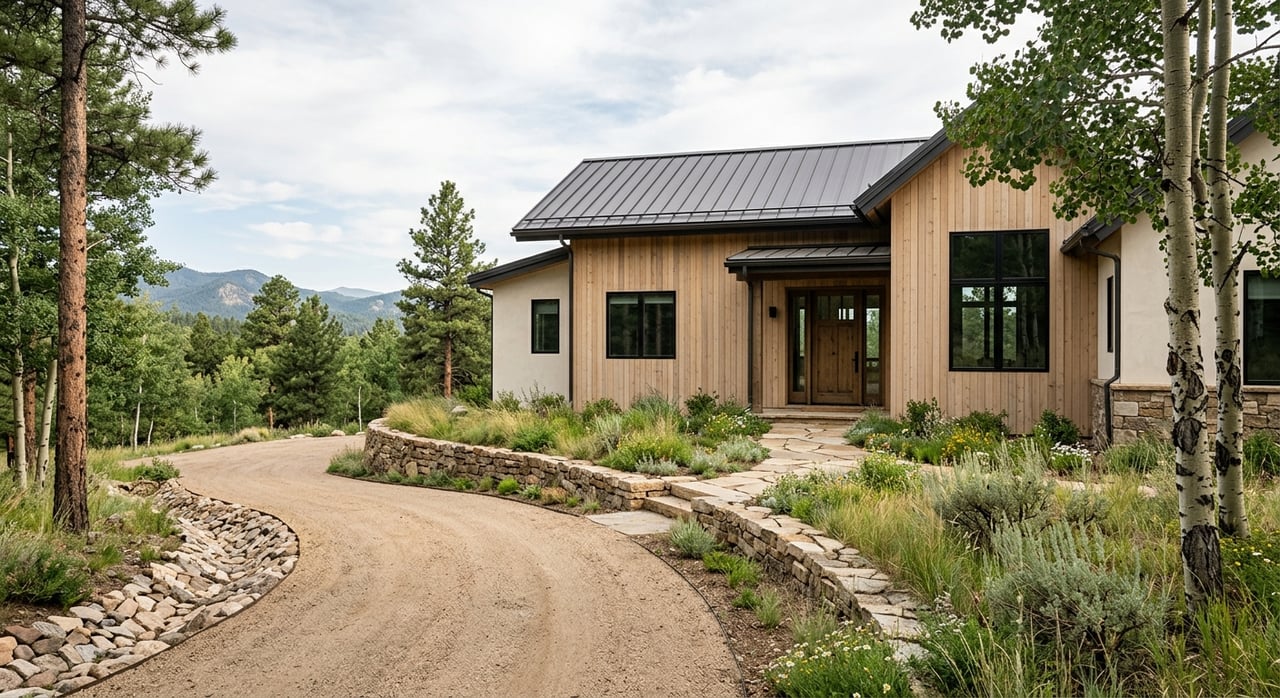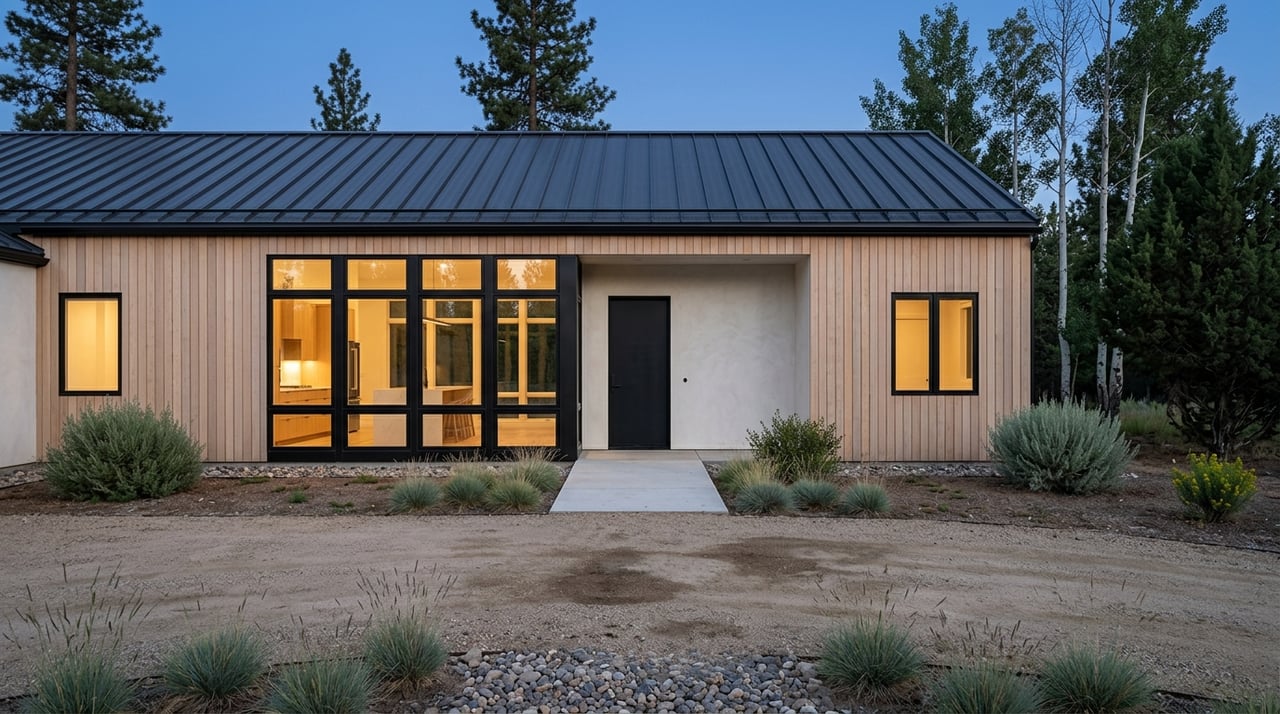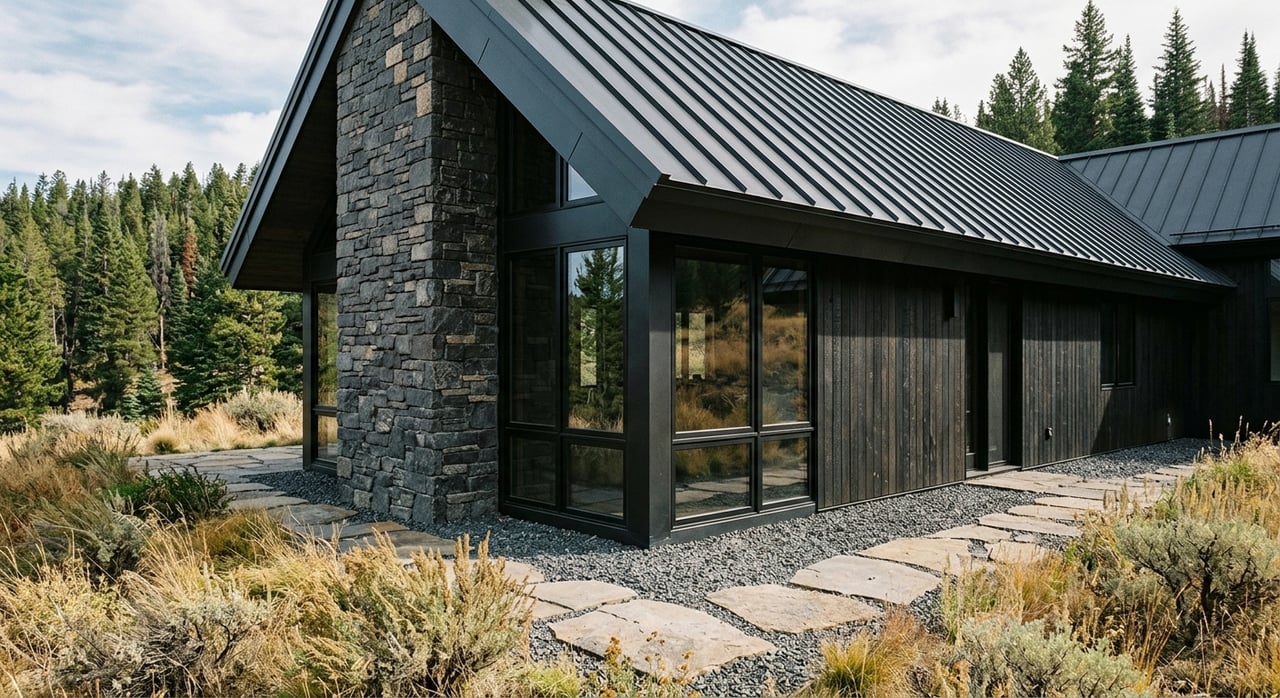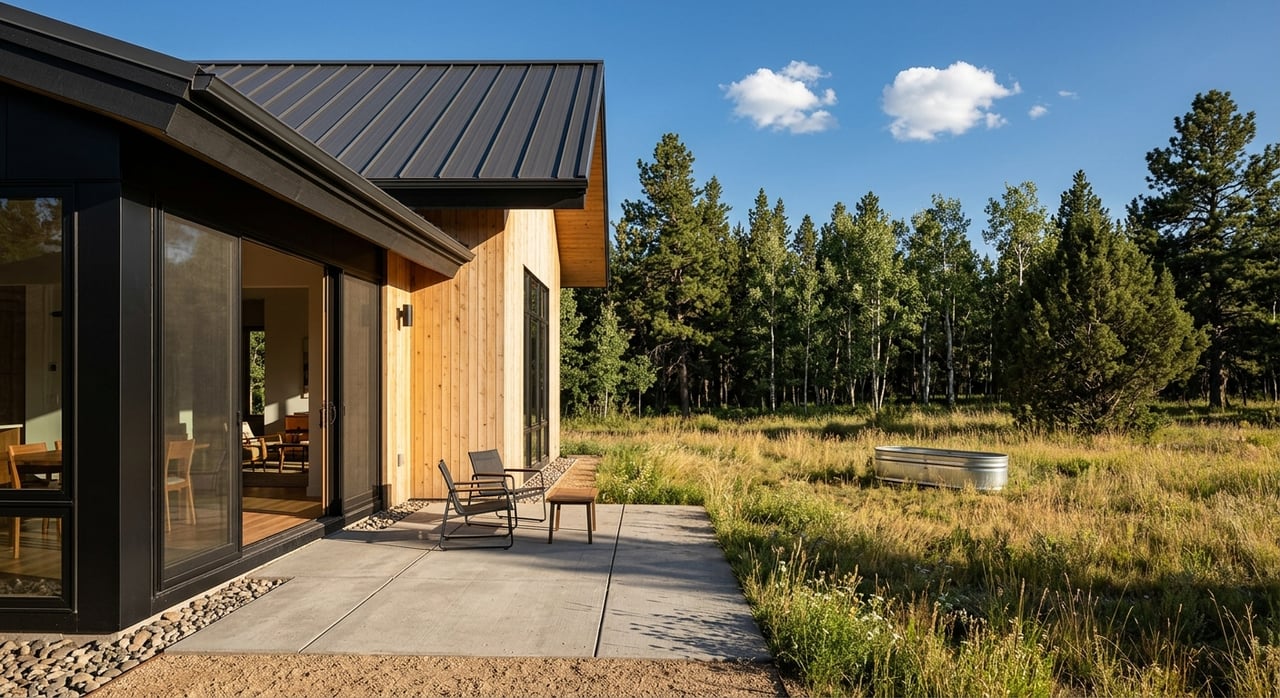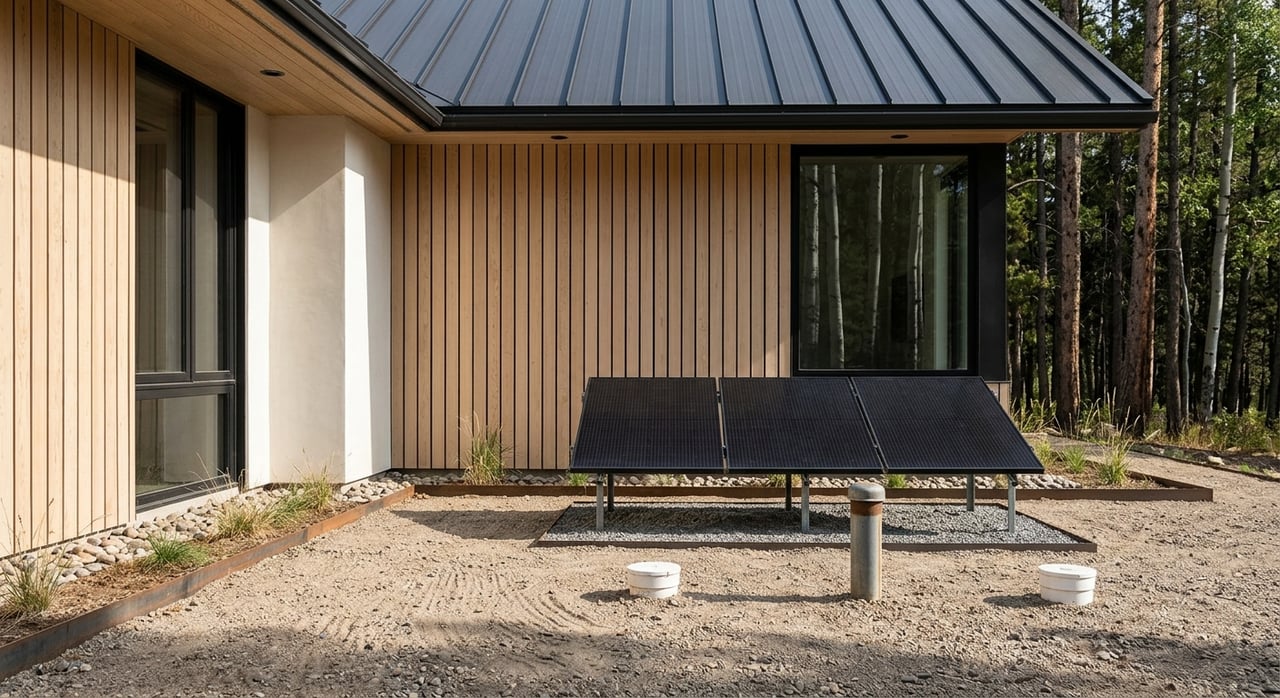
Buying raw land in Chaffee County can feel simple at first. You find a great view, a fair price, and enough space to picture your cabin, shop, or future home. But with rural property, the big questions usually start after the first showing: Where will water come from, how will septic work, and is this parcel truly ready for off-grid living? If you want to avoid expensive surprises, it helps to sort out wells, OWTS permits, and power access early. Let’s dive in.
Why utility checks come first
In Chaffee County, utility questions are tied closely to buildability. The county adopted a new Land Use Code and zoning map effective January 1, 2025, and its GIS tools can show parcel-level zoning, floodplains, steep slopes, wildfire risk, and wildlife habitat.
That matters because a parcel can look usable in a listing and still have constraints that affect where you build, where a septic system can go, or how costly utility work becomes. Before you assume a property is plug-and-play, county maps and permit records should be part of your first review.
The county also keeps permit-search tools through the Building Department. Chaffee County Environmental Health says it does not perform OWTS inspections, so septic-related inspection questions go through the Building Department instead.
Wells in Chaffee County land deals
A well permit matters more than "well on site"
In Colorado, you need a well permit before drilling. The Division of Water Resources says a well file may include the allowed uses, the original application, and any available construction and pump-installation records.
That file is important because a well is not just a hole in the ground. It is a legal and practical utility with limits, and those limits may not match what you want to do with the land.
Allowed uses can be narrower than expected
Most Colorado homeowner wells are exempt and generally limited to 15 gallons per minute. CSU Extension also notes that some exempt wells on smaller parcels may be household-use only, which can mean outdoor watering or livestock use is not allowed under the permit.
So if you are planning a garden, horses, or broader agricultural use, you need to confirm that the permit supports that plan. A listing that says there is a well does not tell you whether the water right fits your intended use.
Timing can affect your contract strategy
Complete new or replacement well applications can take up to 49 days, according to CSU Extension. That is one reason experienced land buyers verify well paperwork early instead of waiting until closing week.
If the parcel does not already have a usable well setup, that timeline can shape your due diligence period, construction plans, and financing expectations. Rural land often rewards buyers who verify first and dream second.
Water rights may require a closer look
The Division of Water Resources warns that if your project needs lawn or garden irrigation, domestic animals, subdivision use, or another larger water demand, an augmentation plan may be required in many parts of Colorado.
In plain terms, more water demand usually means more legal complexity. It is smart to confirm not just that a permit exists, but that the underlying water rights line up with how you plan to use the property.
Water quality is your responsibility
Private wells are not regulated under the Safe Drinking Water Act, so the homeowner is responsible for water safety. CSU Extension recommends testing well water for coliform bacteria every one to two years, and more often after flooding, septic problems, nearby contamination risks, or similar events.
That makes recent testing records valuable during due diligence. If there has been no recent water test, you should treat that as an open question rather than an assumption that everything is fine.
A permit does not guarantee water quantity
In Colorado, water quantity and quality can change quickly over short distances because geology changes quickly too. CSU Extension notes that a permit does not guarantee water will be found, and county guidance also points out that drilling and pumping costs can be considerable.
For buyers, the practical takeaway is simple. An existing well is a helpful starting point, but it is not a guarantee of performance, cost, or fit for your plans.
Septic and OWTS basics
Start with the permit record
For most rural homesites, septic means an onsite wastewater treatment system, or OWTS. Colorado rules cover systems with flows of 2,000 gallons per day or less through local counties, and Chaffee County handles permit and inspection-related questions through the Building Department.
If a listing says "septic installed" or "septic available," ask for the actual OWTS permit, design or as-built documents, and any inspection or maintenance history. Until you see those records, treat septic claims as unverified.
OWTS approval comes before a building permit
Chaffee County’s building checklist says an OWTS permit must be approved before a building permit is issued. That means septic is not a side issue to figure out later. It is part of the core path to building.
For raw land buyers, this is a big deal. If the lot has difficult soils, limited space, floodplain issues, or groundwater constraints, septic design may become one of the most important cost and feasibility factors on the property.
Some lots need engineered systems
Chaffee County materials say engineer-designed systems are required in several higher-risk situations. These include commercial systems, floodplain conditions, groundwater or bedrock found in a profile hole, subdivision conditions, lots smaller than one acre, or certain soil conditions.
That is why one parcel may handle a basic setup while another nearby needs a more complex design. Septic feasibility is highly site-specific, and slope, soils, room on the lot, and well placement all matter.
Separation distances affect layout
County OWTS materials show that separation distances matter. One key example is the county’s Regulation 43 excerpt listing a 100-foot default separation between the soil treatment area and an onsite well.
That distance can change how the homesite is laid out. On a tight parcel, the locations of the house, well, driveway, and septic area all compete for room, which is why early planning matters so much.
Septic costs can vary widely
For planning only, recent Colorado industry estimates put a basic septic installation around $6,500 to $20,000. Many Colorado projects land in the $20,000 to $50,000 or higher range when slope, soil conditions, or advanced treatment systems drive the design.
These are ballpark figures, not county fee schedules, but they help explain why septic should be part of your budget conversation from the start. On rural land, the cheapest parcel on paper is not always the least expensive parcel to make usable.
Off-grid power and utility access
Do not assume electric service is nearby
Chaffee County’s rural-living guidance says electric service is not available in every area of the county. It also notes that extending power to remote parcels can be expensive, and easements may be needed to bring lines across other property.
That means "near power" is not the same as having service at the lot line. Before you move forward, verify the serving utility and what it would take to connect.
Serving utility can vary by parcel
Local utility pages show Sangre de Cristo Electric Association in Buena Vista, and Xcel Energy’s Colorado materials also reference Chaffee County. Buyers should verify the actual serving utility for each parcel rather than assuming one provider covers the entire county.
This is a small question that can lead to big cost differences. Service area, distance, and required easements can all affect the final number.
Off-grid may be practical in remote areas
The U.S. Department of Energy says stand-alone renewable systems can be more cost-effective than extending a power line in remote locations. DOE also notes that line extension can cost about $15,000 to $50,000 per mile.
That is why many mountain and ranch buyers compare line extension against a solar, battery, and generator setup. On some parcels, off-grid is not just a lifestyle choice. It may be the more practical financial path.
Off-grid systems still need proper electrical work
DOE notes that off-grid systems require more than panels alone. Batteries, charge controllers, power conditioning equipment, safety equipment, and meters or instrumentation are also part of the system.
Chaffee County’s Building Department says electrical work requires proof of a current Colorado electrician or registered apprentice before electrical permits are issued. The county also reminds landowners to call 811 before digging.
For buyers, that means solar installs, battery tie-ins, generator connections, meter sets, and trenching should be treated as permitted utility work. They are not casual add-ons.
Best questions to ask before contract
If you are evaluating vacant land in Chaffee County, these questions can save time and money:
- What is the DWR well permit number, and what uses are allowed?
- Are construction and pump records available for the well?
- If the lot is small, or if you want irrigation or livestock use, does the permit allow it?
- Is there a county OWTS permit, design plan, as-built record, or maintenance history?
- Has the well water been tested within the last one to two years?
- If there was flooding, a septic issue, or another contamination concern, was the water retested?
- Is electric service actually available to the parcel, and if not, what would line extension or off-grid power likely involve?
- Do county records show zoning, floodplain status, steep slopes, wildfire risk, or other buildability constraints?
A practical way to read rural listings
In Chaffee County, vacant land often looks straightforward until you dig into records. The real cost of a parcel may depend less on the asking price and more on water rights, septic feasibility, and whether utility access is real, limited, or fully off-grid.
That is where practical local guidance matters. When you work through a land purchase carefully, with permit records and site constraints in view, you give yourself a much better chance of buying a property that fits both your plans and your budget.
If you are sorting through acreage, cabin sites, or off-grid parcels in central Colorado, Danni Gunn brings a practical, valuation-first approach to rural property decisions and can help you ask the right questions before you commit.
FAQs
What should you verify about a well on Chaffee County land?
- You should verify the well permit number, allowed uses, and any available construction or pump records, because a well may exist without supporting the use you have in mind.
What septic records matter for Chaffee County vacant land?
- You should ask for the OWTS permit, design or as-built documents, and any inspection or maintenance history, since septic claims in a listing should be confirmed with county records.
What does off-grid power mean for Chaffee County parcels?
- Off-grid power usually means you may need a stand-alone system with solar, batteries, and related electrical equipment instead of utility line service, especially on more remote parcels.
Why can utility costs change so much from one Chaffee County parcel to another?
- Costs can vary based on geology, well depth, water rights, soils, slope, septic design needs, distance to electric service, and whether easements are required.
Which county office handles septic inspection questions in Chaffee County?
- Chaffee County says septic or OWTS inspection-related questions should go through the Building Department, not Environmental Health.
Why should you check county GIS maps before buying Chaffee County land?
- County GIS tools can show zoning, floodplains, steep slopes, wildfire risk, wildlife habitat, and other parcel-level constraints that affect buildability and utility planning.