Thinking about selling ranch or pasture land in Custer County? Before you spend money on cosmetic fixes, it helps to focus on what rural buyers care about most: access, boundaries, fences, and records they can verify. When a land sale involves driveways, wells, septic, grazing ground, or title questions, practical prep usually matters more than polish. Here’s how to get your property ready in a way that supports a smoother listing and a cleaner transaction.
Focus on function first
With rural land, buyers want to understand how the property works the minute they arrive. They look at whether they can get in, whether fences and gates appear usable, and whether the parcel is easy to identify on paper and on the ground. In Custer County, that kind of preparation often does more for showability than cosmetic improvements.
A strong pre-listing plan usually centers on a few basics: usable access, visible care, organized records, and fewer surprises during due diligence. That is especially important because Colorado sales often involve review of title, survey, inspection, appraisal, and other property documents.
Improve access and first impressions
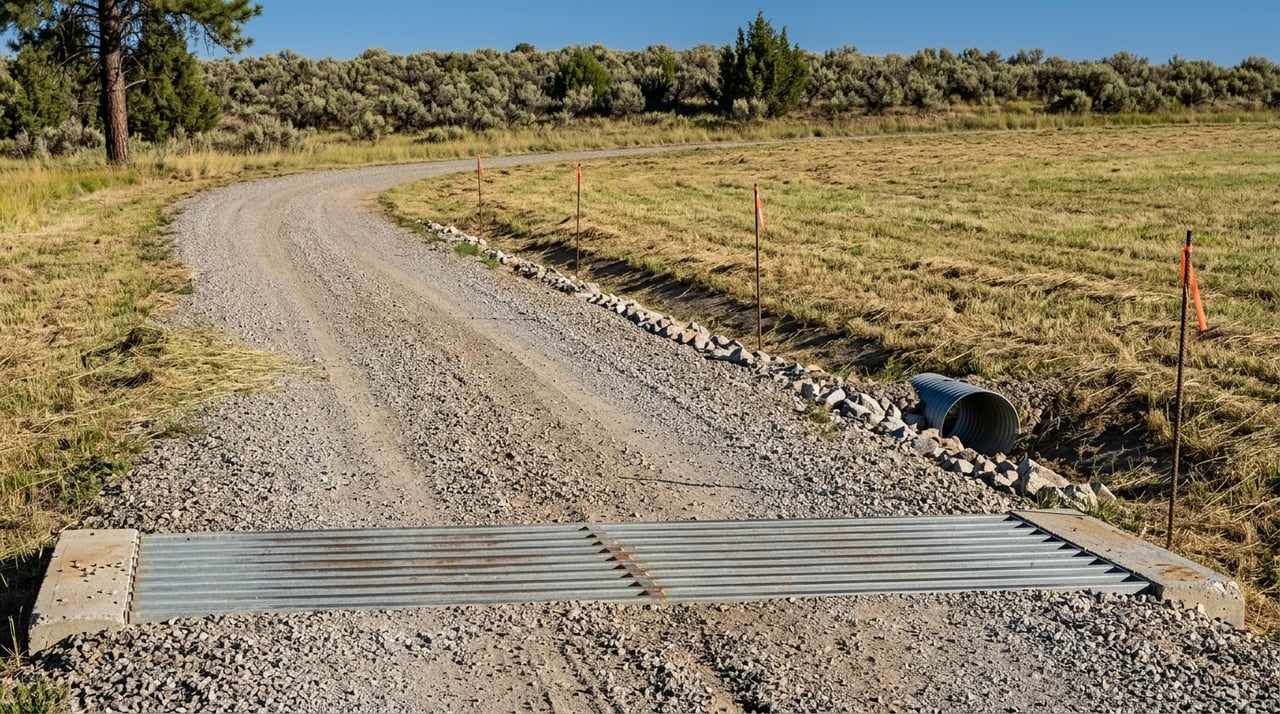
One of the first things to check is the entrance. If the driveway is washed out, overgrown, hard to find, or difficult to use, buyers may start with doubts before they ever see the rest of the land.
Custer County Road & Bridge states that driveway access permits are required for new county-road connections and for modifications to existing driveways. If you are thinking about changing or improving an entrance, verify the county requirements before work begins.
For showings, keep the route into the property as clear and usable as possible. If the parcel includes corrals, building sites, views, or water features, make sure buyers can physically reach those areas without trouble. On rural acreage, simple access can shape the whole showing experience.
Check cleanup methods before burning
If your cleanup plan includes slash removal, do not assume open burning is automatically allowed. Custer County’s fire information notes that open burning requires planning, permits, and compliance with county ordinances and state regulations.
That means it is smart to confirm the current rules before clearing debris that way. It also helps you avoid delays or issues while getting the property ready for market.
Repair fences and gates buyers will notice
Fences do not need to look brand new, but they should look maintained. Colorado State University Extension notes that Colorado fence law still governs lawful fences, maintenance, repair, and trespass questions, so visible fence condition matters.
Before listing, walk the perimeter and fix the obvious problems. Leaning posts, broken stretches, sagging wire, and gates that do not latch can make buyers wonder what else has been deferred.
Prioritize the most visible areas
You do not always need to rebuild every line at once. Start with the entrance, roadside sections, cross fencing buyers will pass, and gates used during showings.
That approach gives the property a more cared-for appearance and helps buyers move through the land safely and easily. It also signals stewardship, which matters on ranch and pasture acreage.
Show pasture in stable condition
Pasture condition says a lot to a buyer, even if they are not a full-time operator. CSU Extension notes that healthy dryland pasture depends on carrying capacity, rotational grazing, and grazing management, and that unlimited access can severely damage vegetation during dry periods.
If possible, avoid showing the property when key areas are obviously overused. Let worn spots recover where you can, especially around gates, water points, and heavy traffic areas.
Tackle weeds where buyers look first
Visible weed pressure can make land feel neglected. Custer County has a Noxious Weed Advisory Board, and CSU Extension recommends active weed management.
For pre-listing work, focus on the places buyers will notice first:
- Along the entrance
- Near fence lines
- Around water points
- At turnouts and pull-offs
- Around corrals or structure approaches
This kind of cleanup does not change the acreage itself, but it can make the property show as better managed and easier to evaluate.
Organize parcel and ownership records
Land buyers want clarity. In Custer County, the Assessor’s records and county GIS system are strong starting points because they provide ownership information, legal descriptions, land size, assessment details, zoning districts, subdivision boundaries, fire districts, and conservation easements.
Putting these materials together early helps create a cleaner property packet. It also gives buyers a clearer picture of what they are reviewing before they invest time and money in due diligence.
Pull key recorder documents
The Custer County Clerk and Recorder maintains deeds, mortgages, liens, surveys, and other recorded instruments affecting real property. If you have a recent survey, plat, easement agreement, or access document, gather it before listing.
Colorado real estate guidance from the Division of Real Estate says a sales contract must describe the property with certainty using a legal description recorded in the county recorder’s office. Since buyers commonly review title, survey, appraisal, inspection, and related documents, organized records can reduce friction later in the transaction.
Verify wells, septic, and zoning details
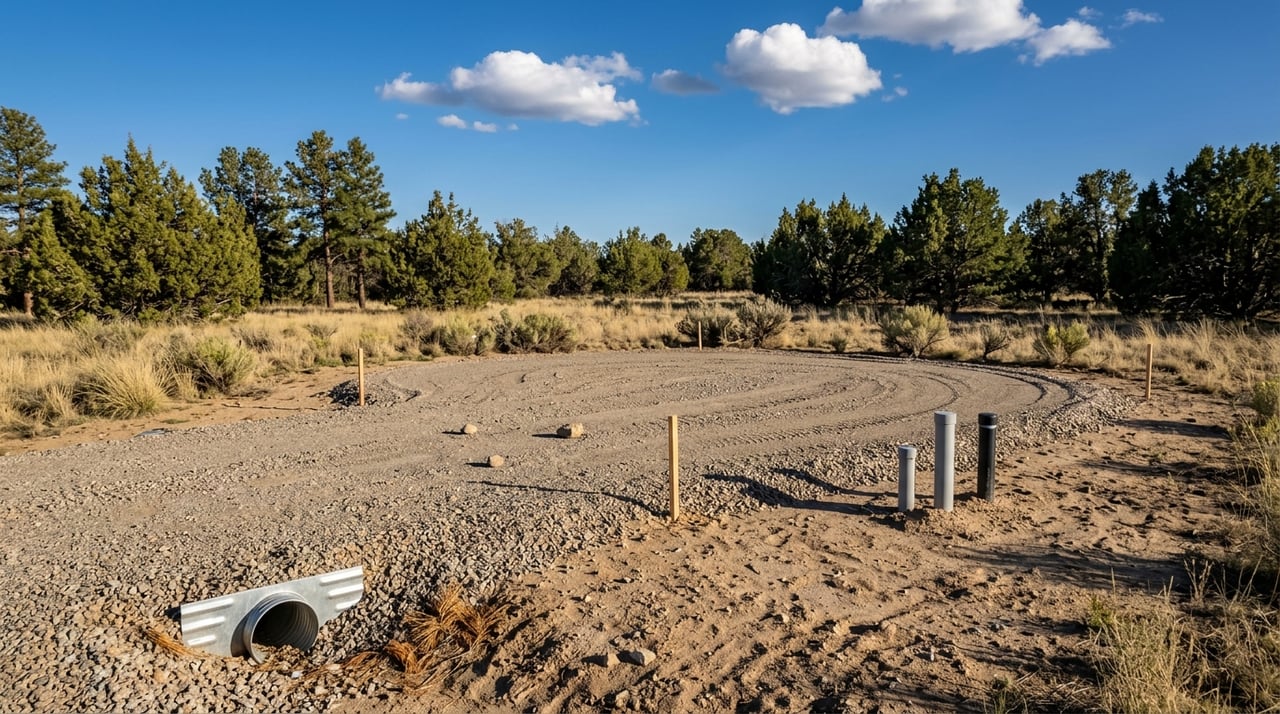
If your parcel has a well, the Colorado Division of Water Resources may have a permit file that includes allowable uses, the original permit application, and available construction and pump records. That information can be very useful to buyers trying to understand the property’s utility setup.
If the land has septic or may need septic information, Custer County requires OWTS permits for septic installations and modifications, with inspection and approval through Planning & Zoning. If you have permit paperwork, keep it ready for review.
Confirm current zoning before marketing uses
Custer County notes that Planning & Zoning documents are under review and directs owners to contact the office for the latest regulations. That makes it especially important to verify current zoning and use rules before advertising what can be built, divided, or used on the property.
In other words, do not rely on old assumptions. Confirm the current information before your listing goes live.
Prepare for Colorado disclosure requirements
Colorado’s commission-approved Seller’s Property Disclosure for Land is mandatory for use on and after January 1, 2026. The form is completed by the seller based on current actual knowledge.
Even if your sale is still in the planning stage, it helps to think ahead. Start gathering facts now so you are not scrambling later to remember permit history, known access issues, boundary questions, or utility details.
Watch ranch issues that can delay closing
Some ranch-related details can become closing problems if they are handled too late. One example is livestock.
If livestock are included in the sale or will be moved as part of the transaction, Colorado’s Brand Inspection Division verifies ownership before a change of ownership and before transport over 75 miles, to sale, or to slaughter. If branded stock is involved, coordinate that paperwork early.
Recheck road conditions and access
Access is not just about the driveway itself. Custer County Road & Bridge also posts road conditions, closures, and travel advisories, so it is worth confirming that buyers can reasonably reach the property for tours and inspections.
This matters even more for rural parcels that may attract out-of-area buyers. A smooth visit can make a real difference when someone is trying to understand land from a distance.
A practical pre-listing checklist
If you want a simple way to prepare Custer County ranch or pasture land for sale, start here:
- Make the entrance usable and easy to find
- Verify county requirements before changing driveway access
- Clear weeds and debris in the areas buyers will see first
- Repair obvious fence and gate issues
- Gather assessor, GIS, deed, survey, and easement records
- Pull well and septic documentation if available
- Confirm current zoning and use rules with Planning & Zoning
- Plan ahead for disclosure forms and ranch-specific paperwork
For most rural acreage, this kind of field-tested prep does more than cosmetic spending. It helps buyers understand the property, supports cleaner marketing, and can make the sale process easier to navigate.
When you are getting ready to sell land in a thin rural market, pricing and preparation need to work together. That is where a practical, valuation-first strategy matters. If you want owner-led guidance on how to position your Custer County acreage, connect with Danni Gunn for a straightforward conversation about your property.
FAQs
What should you fix before selling ranch land in Custer County?
- Focus first on functional items buyers will notice and use, including the entrance, driveway approach, visible fence problems, gates, weed control near key areas, and organized property records.
Do you need a permit to change driveway access in Custer County?
- Custer County Road & Bridge says driveway access permits are required for new county-road connections and modifications to existing driveways, so you should verify requirements before doing entrance work.
What records help most when selling pasture land in Custer County?
- Helpful records can include assessor information, GIS parcel maps, deeds, legal descriptions, surveys, easement documents, well permit records, and septic or OWTS permit paperwork if applicable.
Should you advertise zoning or land uses without checking first in Custer County?
- No. Custer County notes that Planning & Zoning documents are under review and directs owners to contact the office for the latest regulations, so current zoning and use rules should be verified before marketing the property.
Does pasture condition matter when listing rural acreage in Custer County?
- Yes. Stable pasture condition, visible weed management, and reduced wear around gates and water points can help the property look better cared for and easier for buyers to assess.
What if livestock are part of a Custer County ranch sale?
- If branded livestock are included or moved with the transaction, Colorado’s Brand Inspection Division requires ownership verification in certain transfer and transport situations, so it is wise to coordinate that paperwork early.