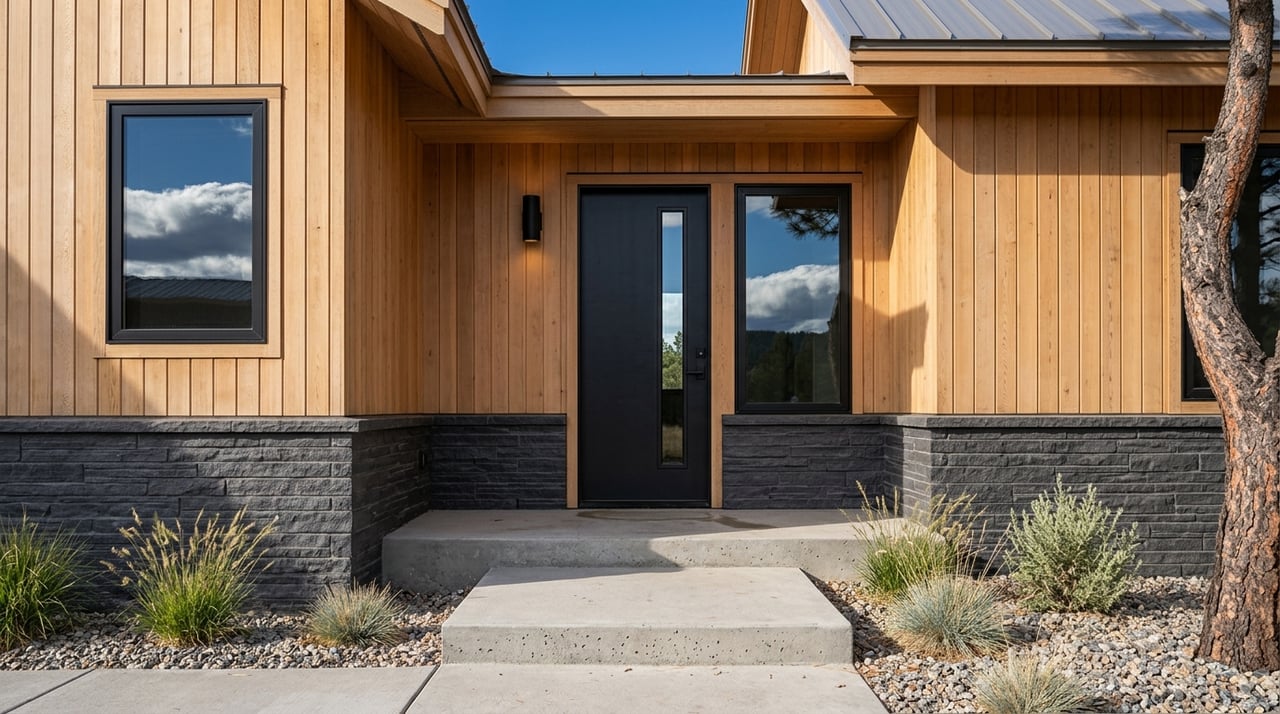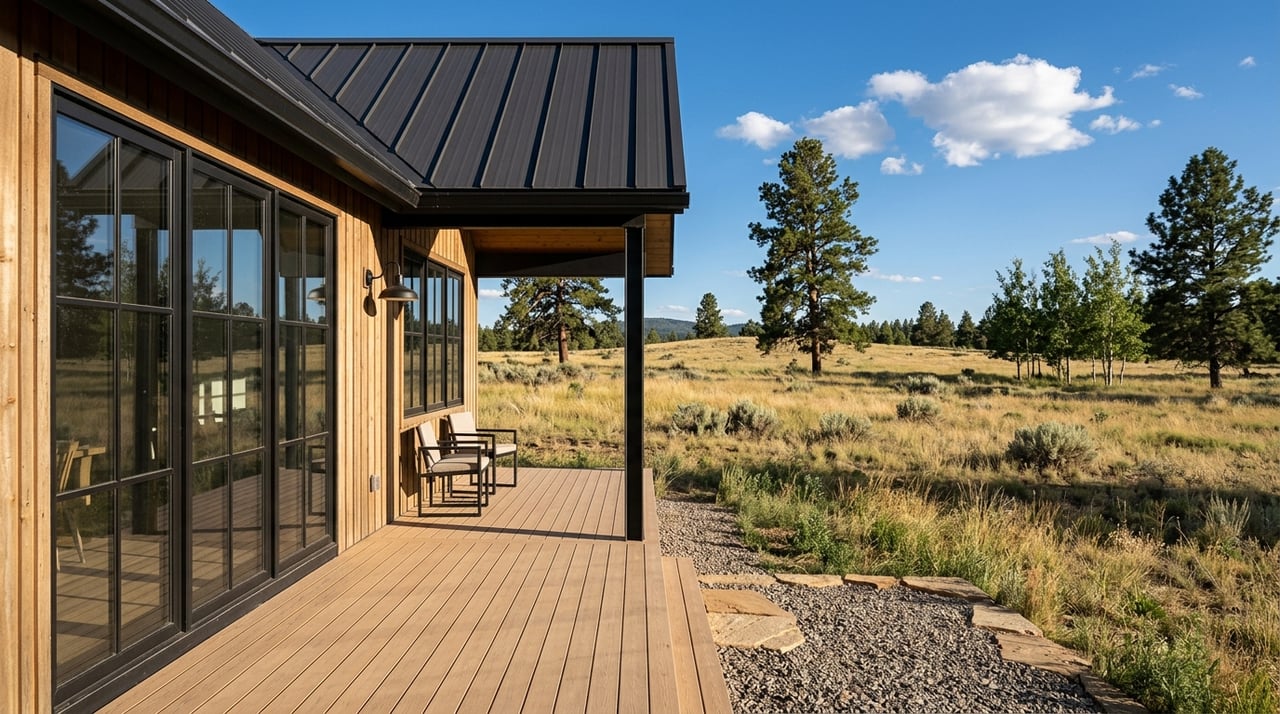
Looking for a place where your second home actually feels like an escape? Custer County draws buyers who want room to breathe, easy access to the outdoors, and a slower rhythm that feels different from busier mountain destinations. If you are wondering why so many second-home owners are drawn to this part of southern Colorado, here is what stands out most and what to keep in mind as you explore the area. Let’s dive in.
Open Space Sets the Tone
One of the biggest draws in Custer County is how open it feels. The Census Bureau estimates 5,590 residents in 2025 spread across 738.63 square miles, which works out to about 6.4 people per square mile. That low-density setting shapes the entire experience of spending time here.
County land-use rules also reflect that identity. Custer County describes itself as primarily rural, with urban uses generally concentrated in Westcliffe and Silver Cliff, and its zoning framework is designed to preserve openness and rural character. For second-home owners, that often means the setting feels intentional, not accidental.
Westcliffe and Silver Cliff sit high in the Wet Mountain Valley, framed by the Wet Mountains and the Sangre de Cristo Range. Westcliffe is at 7,888 feet, and Silver Cliff is nearby at 7,982 feet. That classic high-country backdrop is a big part of why people choose a getaway here in the first place.
Westcliffe and Silver Cliff Feel Unhurried
If you want a second home in a place that leans more toward quiet weekends than resort-style bustle, Custer County has a clear identity. Local tourism messaging consistently highlights slowing down, relaxing, and enjoying the valley. Silver Cliff also describes itself as a small town that retains a small-town atmosphere.
That matters because the lifestyle is part of the purchase decision. Many buyers are not just comparing homes or land parcels. They are comparing how a place feels when they arrive on a Friday evening and how rested they feel when they leave.
The Frontier Pathways Scenic and Historic Byway adds to that slower pace. It runs from Westcliffe toward Pueblo and reinforces the area’s scenic-drive character. For many second-home owners, that kind of setting supports the simple pleasure of being here without needing a packed itinerary.
Outdoor Access Is Easy to Appreciate
Custer County also appeals to buyers who want recreation close at hand. State and local tourism sources highlight hiking, gravel riding, horseback riding, biking, fishing, and four-wheeling as part of the area’s everyday outdoor appeal. That variety gives second-home owners more ways to use their property throughout the year.
The Rainbow Trail near Westcliffe is one well-known example of local trail access. Recreation materials also point to a wider network of routes and destinations that support everything from a quick morning outing to a full day outside. If your ideal weekend includes dirt roads, mountain views, and time on the trail, this area checks a lot of boxes.
For some buyers, that flexibility is the key advantage. You are not limited to one style of recreation. The county’s geography supports a mix of hiking, riding, exploring, and simply getting out into the landscape.
Lakes Add Weekend-Use Appeal
Lake access is another reason second-home owners look closely at Custer County. County recreation materials list Lake DeWeese, which has a public boat ramp and beach, and Lake San Isabel, which offers stocked water and Forest Service picnic and camp sites. Higher-country destinations such as South Colony Lakes and Comanche Lake add to the area’s appeal for buyers who enjoy mountain lake settings.
Local tourism information also notes that Lake DeWeese is managed by Colorado Parks & Wildlife. Nearby Lake Isabel is known as a place that draws hikers, paddlers, fishers, and bird watchers. For a second-home buyer, that means you can plan a simple weekend around the water without leaving the region.
Some nearby recreation corridors also support mixed-use fun. For example, the Cisneros Trail is open to ATVs, which can matter if you want a property that works for more than one kind of outdoor weekend. That wider range of recreation helps Custer County appeal to buyers looking for a practical, repeatable getaway routine.
Dark Skies Are Part of Daily Life
In many mountain markets, dark skies feel like a lucky bonus. In Custer County, they are part of the area’s identity. Westcliffe and Silver Cliff were certified as an International Dark Sky Community in March 2015, and local sources say the community was the first in Colorado and the ninth in the world.
That designation carries real lifestyle value for second-home owners. You are not just buying daytime scenery. You are also buying nights that still feel dark enough for meaningful stargazing, which is increasingly hard to find.
The local dark-sky community supports that experience in a visible way. The Smokey Jack Observatory in Westcliffe hosts public star parties and reserved observing sessions, using a major telescope for public viewing. For many owners, evenings under clear skies become one of the most memorable parts of spending time here.
The Community Calendar Feels Local
Second-home buyers often want some community life, just not constant crowds. Custer County offers that balance. The event calendar is active, but it still reads as local and lived-in.
The Westcliffe Farmers Market has operated since 2007 and currently runs on summer Fridays at Jess Price Park with local produce and craft vendors. That kind of recurring event gives owners an easy way to settle into the rhythm of the valley when they are in town.
Other annual events help shape the area’s character. The Wet Mountain Valley Stampede Rodeo brings parade elements, riding competitions, concert programming, and strong ranch-rodeo roots. The High Mountain Hay Fever Bluegrass Festival, the Friends of the West Custer County Library Arts & Crafts Fair, and dark-sky programming add even more texture to the calendar.
The result is a second-home setting that offers things to do without feeling overly programmed. If you want a getaway that still has a sense of place, that balance can be hard to beat.
Property Types Match the Lifestyle
The county’s land pattern also helps explain why second-home buyers shop here. Custer County’s zoning resolution states that 40% of the county is public land and 60% is private land. It also says 75% of private land is devoted to agriculture, while most residential and vacant land is located in more than 120 platted subdivisions.
The zoning framework includes minimum lot areas of 80 acres, 35 acres, 10 acres, and 5 acres. The 5-acre Foothills District is described as the county’s main residential area where most approved subdivisions are located. Agriculture and residential uses are allowed by right across the county.
In practical terms, that land pattern supports the kinds of properties many second-home buyers associate with Custer County. Think cabins, foothills homesites, recreational acreage, and larger parcels with room to spread out. If your goal is privacy, elbow room, and a more rural ownership experience, the local land-use structure supports that vision.
Rural Ownership Comes With Real Logistics
The lifestyle is a big part of the appeal, but it is not the whole story. In a market like Custer County, second-home ownership also means paying attention to the details that come with rural property. Those details can shape both your buying decision and your long-term use of the property.
County Planning and Zoning handles building permits, zoning, septic systems, subdivisions, variances, and home occupations. The county also provides a homeowner packet with rural-living and permit information. That is valuable context if you are looking at land, a cabin, or a property with future building plans.
The zoning resolution states that no dwelling permit is issued until there is an approved septic permit and a legally adequate, physically available water source. It also ties rural building to setbacks, access, and compliance with county land-use rules. For buyers, that means it is important to look beyond views and ask practical questions early.
This is where local guidance matters. A second-home purchase in a rural market often involves access, utilities, site conditions, and land-use questions that are less common in more conventional neighborhoods. Understanding those basics can help you buy with more confidence and fewer surprises.
Why Second-Home Buyers Keep Coming Back
What second-home owners love about Custer County usually comes down to a simple mix of qualities. You get open space, mountain-and-valley scenery, trail and lake access, dark skies, and a community rhythm that still feels grounded. It is a place where the lifestyle story holds up beyond the first visit.
For buyers who want a cabin, recreational parcel, or acreage retreat, Custer County offers a kind of breathing room that is getting harder to find. And for those who value both the beauty and the practical realities of rural ownership, working with someone who understands mountain and land transactions can make the process much smoother.
If you are exploring a second home in Custer County and want practical guidance on cabins, acreage, or recreational land, Danni Gunn can help you evaluate the property, the setting, and the ownership details that matter.
FAQs
Why do second-home buyers choose Custer County, Colorado?
- Buyers are often drawn to Custer County for its open space, low population density, mountain-valley setting, dark skies, and access to trails, lakes, and rural recreation.
What outdoor activities are popular in Custer County for second-home owners?
- Common activities highlighted by local and state tourism sources include hiking, fishing, biking, gravel riding, horseback riding, four-wheeling, paddling, and stargazing.
What lakes are near Westcliffe and Silver Cliff in Custer County?
- County and tourism materials point to Lake DeWeese, Lake San Isabel, South Colony Lakes, and Comanche Lake as notable lake destinations in or near the area.
What is special about the night skies in Westcliffe and Silver Cliff?
- Westcliffe and Silver Cliff were certified as an International Dark Sky Community in 2015, and the area supports public stargazing through the Smokey Jack Observatory in Westcliffe.
What property types are common for second-home buyers in Custer County?
- Based on the county’s zoning and land-use pattern, buyers often look at cabins, 5-acre foothills homesites, recreational parcels, and larger rural tracts.
What should buyers know about building on land in Custer County?
- County rules state that a dwelling permit requires an approved septic permit and a legally adequate, physically available water source, along with compliance related to access, setbacks, and land-use requirements.